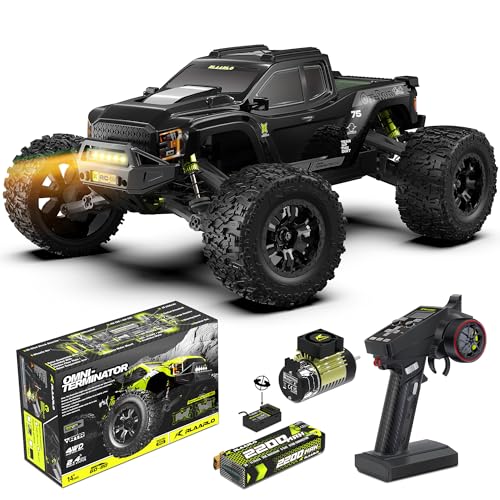
Gas Powered Remote Control Trucks: The Complete Guide
Why gas powered RC trucks? There is a distinct thrill that comes from the sound, smell, and raw mechanical power of a gas powered remote control truck. Unlike their electric counterparts, these machines offer an authentic engine experience, longer run times, and a deep sense of satisfaction from tuning and maintenance. If you are researching this category, you are likely looking for performance, realism, and a hobby that rewards hands-on engagement. This guide is designed to give you the complete picture so you can make a confident decision.
In This Guide
- Understanding Gas Powered RC Trucks
- Nitro vs. Gasoline: Key Differences
- Essential Components and How They Work
- Scale Classes and Market Tiers
- What to Look For in Your First Truck
- Maintenance and Longevity
- Safety and Responsible Use
- Frequently Asked Questions
Understanding Gas Powered Remote Control Trucks
Gas powered remote control trucks are radio-controlled vehicles propelled by an internal combustion engine rather than an electric motor. They are part of the broader RC hobby landscape and are prized for their mechanical complexity and realistic operation. These trucks are not toys in the traditional sense; they are sophisticated machines that require a basic understanding of engine principles, fuel handling, and regular upkeep.
The appeal is multifaceted. Enthusiasts are drawn to the auditory feedback of a running engine, the tactile process of tuning a carburetor, and the extended run times that refueling allows. For many, the hobby is as much about the maintenance and tuning as it is about driving. If you are exploring the world of RC vehicles, you may also be interested in gas powered remote control trucks for adults, which often feature larger scales and higher performance specifications.
It is important to set expectations. Gas RC trucks demand more attention than electric models. They require a break-in period for the engine, careful fuel mixing (for gasoline models), and a systematic approach to storage and cleaning. However, this investment of time is exactly what makes the hobby so rewarding for many people.
Nitro vs. Gasoline: Key Differences
When discussing gas powered RC trucks, two distinct fuel types dominate: nitro (glow fuel) and gasoline (petrol). Understanding the difference is crucial because it influences everything from the truck's scale to its maintenance routine and operating characteristics.
| Feature | Nitro (Glow) Engines | Gasoline (Petrol) Engines |
|---|---|---|
| Fuel Type | Blend of nitromethane, methanol, and oil | Gasoline mixed with two-stroke oil |
| Ignition | Glow plug (heated by battery) | Spark plug (ignited by magneto) |
| Typical Scale | 1/10 to 1/8 | 1/6 to 1/5 |
| Maintenance Level | Moderate; glow plug replacement, fuel tuning | Higher; spark plug, fuel mixing, air filter |
| Sound & Feel | High-pitched, distinct whine | Deeper, louder, more "engine-like" |
| Run Time (per tank) | 10-15 minutes | 20-30 minutes |
Nitro trucks are often more accessible for newcomers due to their smaller scale and slightly simpler engine management. Gasoline trucks, on the other hand, are typically larger, heavier, and more powerful, offering a more immersive experience for those with a bit more space and a willingness to handle fuel mixing. If the sheer size and presence appeal to you, exploring gasoline powered RC truck options can be very informative. Similarly, if you prefer the convenience of ready-to-run packages, looking into gas powered RC planes ready to fly can give you a sense of how ready-to-run models are positioned in the hobby.
Essential Components and How They Work
A gas powered RC truck is a system of interconnected parts. Knowing what each component does helps you understand performance characteristics and maintenance needs.
Engine
The heart of the truck. Nitro engines use a glow plug for ignition and a carburetor to mix fuel and air. Gasoline engines use a spark plug and a magneto system. Both types require careful tuning of the high-speed and low-speed needles to achieve optimal performance. Learning to "read" the engine's sound and exhaust is a key skill.
Fuel System
This includes the fuel tank, fuel lines, and a primer bulb (on nitro engines) or a choke (on gasoline engines). Keeping the fuel system clean and free of debris is vital. Old or contaminated fuel can cause frustrating tuning issues.
Drivetrain and 4WD
Most hobby-grade gas RC trucks feature a four-wheel-drive (4WD) system, delivering power to all wheels for superior traction on rough terrain. The drivetrain includes the transmission, driveshafts, differentials, and axles. Robust, metal-geared components are a hallmark of durable construction.
Suspension and Steering
Oil-filled shock absorbers and independent suspension systems allow the truck to handle jumps and uneven ground. A strong servo controls the steering. High-torque servos are essential for larger, heavier gasoline models.
Radio System
A 2.4GHz radio system is standard in modern trucks, providing interference-free control. The transmitter (controller) has triggers for throttle/brake and a wheel for steering.
The complexity of these systems means that a gas RC truck is a long-term investment in a hobby. If you appreciate mechanical systems, you might also find the engineering of gas powered remote control boats or the aerodynamics of gas powered RC jet planes fascinating parallels in the RC world.
Scale Classes and Market Tiers
Gas powered RC trucks are categorized by scale, which refers to the size of the model relative to a full-sized vehicle. The most common scales are 1/10, 1/8, 1/6, and 1/5. Larger scales generally offer more stability, better visibility, and the ability to handle rougher terrain, but they also require more space and are heavier.
Within each scale, there are distinct market tiers. Understanding these tiers helps you align your expectations with what a given model offers.
- Entry-level / Starter tier: These models are designed to introduce hobbyists to gas RC. They often feature simpler engine designs, basic suspension, and are typically available in smaller scales like 1/10. They are a good choice for learning the fundamentals of tuning and maintenance without a steep initial learning curve.
- Mid-range / Balanced tier: Offering a significant step up in durability and performance, mid-range trucks often include upgraded components like stronger driveshafts, better shock absorbers, and more powerful engines. They are well-specified for the category and suitable for regular weekend use.
- High-end / Top-tier: These are the flagship models, often in 1/8 or larger scales. They feature premium materials, high-grade steel components, and advanced engineering. They are built for serious enthusiasts who demand the best performance and are willing to invest in a long-term hobby platform.
- Professional-grade / Commercial-grade: At the very top, these models are designed for competitive racing or extreme bashing. They use the most durable construction available and are often customizable at a component level.
For adults looking for a more substantial machine, gas powered remote control trucks for adults often sit in the mid-range to high-end tiers, offering larger scales and more powerful engines. Similarly, gas powered remote control cars for adults follow a similar tiering structure, focusing on performance and durability.
What to Look For in Your First Truck
If you are new to the hobby, the selection process can feel overwhelming. Focus on these key areas to make an informed decision.
- Support and Parts Availability: Choose a brand with a strong reputation for customer support and widely available replacement parts. A truck that is difficult to repair will quickly become frustrating. Check forums and hobby shops for the most commonly supported brands.
- Engine Size and Type: For beginners, a smaller nitro engine (like a .18 or .21 cubic inch) is often easier to tune and maintain. Gasoline engines are typically larger and more complex but offer longer run times. Decide which fuel type aligns with your willingness to learn.
- Durability Features: Look for metal-geared differentials, hardened steel driveshafts, and a solid build. These features reduce the likelihood of breakage during normal use. A heavy-duty construction is a worthwhile investment for long-term enjoyment.
- Ease of Maintenance: A well-designed truck allows for easy access to the engine, air filter, and fuel tank. Simpler designs are better for learning the ropes.
- Radio Quality: A reliable 2.4GHz radio system with features like endpoint adjustment and failsafe is essential for control and safety.
For those who prefer to start with a slightly different RC vehicle, the principles are similar for gasoline powered RC car models. The focus on parts support and engine type remains constant.
Maintenance and Longevity
Proper maintenance is the key to a long and enjoyable life for your gas powered RC truck. Neglect leads to poor performance and premature wear. Establish a routine that includes:
- After-Run Care: After every session, clean the truck, especially around the engine and moving parts. Dirt and grime are abrasive.
- Air Filter Cleaning: A clogged air filter is a common cause of tuning problems. Clean and re-oil the filter regularly.
- Fuel System Checks: Inspect fuel lines for cracks and replace them as needed. Do not leave fuel in the tank for extended periods.
- Engine Tuning: Learn to adjust the carburetor needles. Running too lean (too little fuel) can damage the engine, while running too rich (too much fuel) fouls the glow plug or spark plug.
- Glow Plug / Spark Plug: Keep spares on hand. A failing plug can cause starting issues and poor performance.
- Inspection of Moving Parts: Periodically check bearings, driveshafts, and suspension components for wear and tear.
The maintenance requirement is a significant part of the hobby's appeal. It is a hands-on activity that builds mechanical skills. If you enjoy tinkering, you might also be interested in glow plug starter for nitro RC car tools, which are essential for nitro engine operation.
Safety and Responsible Use
Gas powered RC trucks are not toys and should be treated with respect. They are powerful machines capable of high speeds and generating significant force. Always follow these safety guidelines:
- Never operate the truck near people, pets, or property that could be damaged.
- Choose open areas like dedicated RC tracks or large, empty fields.
- Handle fuel with care. Store it in approved containers, away from heat sources, and out of reach of children.
- Never run the engine indoors or in poorly ventilated areas. The exhaust fumes are toxic.
- Use eye protection when working on or near a running engine.
- Allow the engine to cool before refueling.
Safety is paramount. For younger enthusiasts, there are alternatives like gas powered ride-on toys for 5-year-olds, which are designed with child safety in mind. However, these are very different from hobby-grade RC trucks.
Frequently Asked Questions
What is the difference between nitro and gasoline RC trucks?
Nitro RC trucks use a blend of nitromethane, methanol, and oil, ignited by a glow plug, and are common in smaller scales. Gasoline RC trucks use a small two-stroke engine with a spark plug, typically found in larger 1/5 scale models, and run on a gasoline-oil mix. Gasoline engines generally offer longer run times and a more realistic sound, but require more maintenance and fuel mixing.
How difficult is it to maintain a gas powered RC truck?
Maintenance is more involved than with electric models. It includes engine tuning, air filter cleaning, fuel system checks, and regular inspection of moving parts. With practice, the routine becomes manageable and is part of the hobby experience. Many enthusiasts find the maintenance process rewarding and a way to deepen their understanding of the machine.
Are gas powered RC trucks suitable for beginners?
They can be, especially with guidance and a willingness to learn. Beginners should start with a mid-range or entry-level model, learn engine tuning basics, and practice in open areas. Some hobbyists recommend starting with an electric model first to learn driving and control skills before moving to a gas-powered truck.
What scale should I choose for my first gas RC truck?
A 1/10 or 1/8 scale nitro truck is often a good starting point. These scales are large enough for good visibility and stability but are more manageable and less overwhelming than a 1/5 scale gasoline truck. They also tend to have a wider range of entry-level and mid-tier options.
How long can I run a gas powered RC truck on a single tank?
Run times vary. Nitro trucks typically run for 10-15 minutes per tank, while gasoline trucks can run for 20-30 minutes or more. Factors like engine tuning, driving style, and terrain affect fuel consumption. It is common practice to carry extra fuel for longer sessions.
Ready to Explore the World of Gas RC Trucks?
You now have a comprehensive understanding of what gas powered remote control trucks are, how they work, and what to consider. The next step is to explore specific models and find the one that fits your goals. Remember to check our detailed gas powered remote control trucks for adults guide for more advanced options, and delve into the specifics of gasoline powered RC trucks for a deeper mechanical dive.