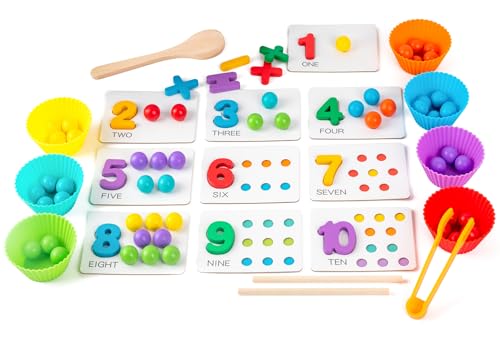
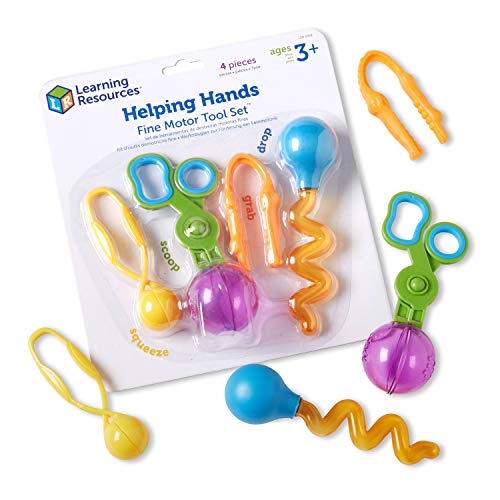
Fine Motor Skills Toys for 7 Year Olds: Building Dexterity Through Play
At seven, children are refining the precise hand movements that support handwriting, self-care, and creative expression. The right toys make practice feel like pure fun. This expert guide explores the best fine motor skills toys for 7 year olds — with clear criteria, top-tier recommendations, and practical advice to help you choose confidently.
Explore Top PicksWhy fine motor skills matter at seven: By this age, children are expected to manage buttons, zippers, pencils, and scissors with growing independence. Fine motor practice strengthens the small muscles in the hands and improves hand-eye coordination — foundational skills for academic success and everyday confidence. The toys in this guide are selected for their ability to make that practice engaging and rewarding.
Understanding Fine Motor Development at Age Seven
Seven-year-olds are typically transitioning from basic grasping to more refined control. They can use a pencil with a mature tripod grip, cut along curved lines, and manipulate small objects with increasing precision. However, every child develops at their own pace. The goal of fine motor toys at this stage is to provide repeated, playful opportunities to practice these emerging skills without pressure.
Key fine motor milestones for 7 year olds include:
- Pincer grasp refinement: Picking up small items with thumb and index finger.
- Hand strength: Squeezing, twisting, and gripping with sustained force.
- Bilateral coordination: Using both hands together — one to hold, one to manipulate.
- Hand-eye coordination: Accurately guiding tools and objects with visual feedback.
- In-hand manipulation: Adjusting an object within the hand without dropping it.
The toys recommended below target these specific skills through construction, crafting, puzzles, and precision play. For a broader look at developmental toys across ages, explore our educational toys for 7-8 year olds collection.
What to Look for in Fine Motor Toys for 7 Year Olds
Not all toys are created equal when it comes to fine motor development. The best options share several characteristics:
- Precision demand: The toy requires accurate placement, threading, or connecting.
- Progressive challenge: It offers varying difficulty levels to grow with your child.
- Engaging theme: It connects to your child's interests — animals, vehicles, building, art.
- Durable construction: Pieces hold up to repeated use and manipulation.
- Open-ended play: It encourages creativity alongside skill practice.
Avoid toys that are too simplistic (no challenge) or overly frustrating (too advanced). The sweet spot is a toy that requires focus and effort but is achievable with persistence. Many of the toys in our fine motor skills toys for 5 year olds guide also remain excellent choices for 7 year olds, especially those with adjustable difficulty.
Top Categories of Fine Motor Toys for 7 Year Olds
1. Building Sets with Small Pieces
Construction toys that use small connectors, pegs, or interlocking pieces are outstanding for fine motor development. They demand precise finger movements, sustained grip, and bilateral coordination. Sets with screws, nuts, and bolts add an extra layer of hand strength training. Look for sets that offer building instructions but also encourage free design.
2. Craft Kits and Art Supplies
Crafting naturally engages fine motor skills. Beading, weaving, sewing, and modeling clay all require controlled hand movements. Kits that include small beads, embroidery, or detailed paper crafts are particularly effective. For a broader selection of creative options, see our educational building toys for 5 year olds — many of which remain developmentally appropriate for older children.
3. Puzzles with Intricate Designs
Puzzles with smaller, more detailed pieces require precise placement and spatial reasoning. 100-piece puzzles and 3D puzzles are excellent for 7 year olds. They also build patience and persistence — valuable traits that complement fine motor practice.
4. Precision Skill Toys
Toys that require aim, control, and careful manipulation — such as marble runs, balancing games, and target games — sharpen hand-eye coordination and fine motor control. These are particularly engaging for children who enjoy active challenges.
5. Modeling and Sculpting Materials
Clay, play dough, and modeling compounds strengthen hand muscles through kneading, rolling, and shaping. Tools like sculpting knives and rolling pins add extra fine motor challenge. These are classic, open-ended materials that support creativity and skill development simultaneously.
Fine Motor Toy Tiers: Finding the Right Fit
To help you compare options without relying on arbitrary markers, we use a consistent tier system that reflects the relative complexity and feature set of each toy category. This classification helps you match a toy to your child's current skill level and your family's preferences.
| Tier | Typical Characteristics | Best For |
|---|---|---|
| Entry-level | Larger pieces, simpler mechanisms, straightforward instructions. | Children who are new to a skill or need confidence-building practice. |
| Mid-range | Moderate piece sizes, multi-step instructions, varied challenges. | Children with some experience who are ready for a step up. |
| Premium | Small precision pieces, complex builds, durable premium materials. | Confident builders and crafters who enjoy detailed, sustained projects. |
| Top-tier | Highly detailed, open-ended or specialized components, professional-grade tools. | Enthusiastic hobbyists and children who thrive on advanced challenges. |
When selecting a toy, consider your child's current skill level and attention span. A mid-range toy that offers adjustable difficulty often provides the best long-term value. For children who enjoy electronics and circuitry, our electronics kits guide explores options that combine fine motor practice with STEM learning.
Practical Tips for Supporting Fine Motor Development at Home
- Make it playful: Frame activities as fun challenges, not exercises.
- Offer variety: Rotate toys to keep interest high and target different skills.
- Provide the right tools: Child-sized scissors, pencils, and tweezers make practice easier.
- Celebrate effort: Praise persistence and creativity, not just the final result.
- Incorporate daily tasks: Buttoning, zipping, and pouring are natural fine motor practice.
- Consult professionals if concerned: If you notice persistent difficulty, speak with your child's teacher or an occupational therapist.
For more ideas on age-appropriate play, explore our fun outdoor toys for 7 year olds — outdoor play also contributes to gross and fine motor development through activities like digging, planting, and building.
Frequently Asked Questions
What are fine motor skills and why are they important for 7 year olds?
Fine motor skills involve the small muscles of the hands and fingers working together with the eyes. For 7 year olds, these skills are essential for handwriting, tying shoelaces, using utensils, and manipulating small objects. Developing them through play builds confidence and independence.
How do I know if my 7 year old needs help with fine motor skills?
Signs include difficulty holding a pencil correctly, struggling with buttons or zippers, avoiding puzzles or crafts, or tiring quickly during handwriting tasks. If you notice these, consult your child's teacher or pediatrician, and introduce playful fine motor activities.
Can fine motor skills toys help with handwriting?
Yes. Toys that strengthen the pincer grasp, hand strength, and hand-eye coordination directly support handwriting development. Activities like threading, building with small pieces, and using tweezers or tongs are particularly beneficial.
What type of fine motor toys are best for 7 year olds?
Look for toys that require precision, controlled movements, and sustained attention. Building sets with small pieces, craft kits, puzzles with intricate designs, modeling clay, and construction toys with screws or connectors are all excellent choices.
⚠️ AFFILIATE DISCLOSURE: This website contains affiliate links. As an Amazon Associate, we earn from qualifying purchases. If you make a purchase through these links, we may receive a small commission at no additional cost to you. Read our full affiliate policy.