Educational Toys for Infants 0-12 Months
Discover the best educational toys that support your baby's development during their critical first year. From sensory exploration to motor skill development, find the perfect toys for every milestone.
👶 Why Educational Toys Matter in the First Year: The first 12 months are a period of remarkable brain development. During this time, infants are building neural connections at an astonishing rate. The right educational toys stimulate their senses, encourage exploration, and lay the foundation for future learning. Choosing developmentally appropriate toys isn't just about entertainment – it's about nurturing your baby's cognitive, physical, and emotional growth.
Understanding Infant Development Milestones
Every baby develops at their own pace, but here's a general guide to the developmental milestones during the first year, along with the types of educational toys that support each stage.
Newborn to 3 Months
High-contrast patterns, black and white toys, soft rattles, and gentle mobiles that stimulate visual tracking and auditory awareness.
0-3 Months4 to 6 Months
Teething toys, soft blocks, textured balls, and activity gyms that encourage reaching, grasping, and hand-eye coordination.
4-6 Months7 to 9 Months
Stacking rings, shape sorters, cause-and-effect toys, and musical instruments that develop problem-solving and fine motor skills.
7-9 Months10 to 12 Months
Push toys, activity cubes, simple puzzles, and interactive books that promote standing, walking, and early language development.
10-12 MonthsThe Ultimate Guide to Educational Toys for Infants
Why the First Year is Crucial for Learning
The first 12 months of life represent the most rapid period of brain development in a human's entire lifespan. During this time, your baby's brain is forming millions of new neural connections every second. These connections are shaped by experiences, interactions, and the environment – which is why choosing the right educational toys is so important.
Educational toys for infants aren't just about keeping your baby entertained. They provide essential sensory input, encourage exploration, and help develop critical skills like hand-eye coordination, fine motor control, problem-solving, and early language development. The best toys for this age are those that engage multiple senses and adapt as your baby grows.
When selecting toys for your infant, always prioritize safety. Look for toys made from non-toxic materials, with no small parts that could become choking hazards, and with smooth edges. Always follow age recommendations on toy packaging, and remember that the best toy for your baby is one that you can enjoy together – your interaction is the most valuable part of playtime.
Sensory Development: The Foundation of Learning
Sensory development is a cornerstone of infant learning. During the first year, your baby is learning to make sense of the world through their senses – sight, hearing, touch, smell, and taste. Toys that provide rich sensory experiences help build the neural pathways that support future learning in all areas.
- Visual Stimulation: High-contrast black and white patterns, bright colors, and moving objects help develop your baby's visual tracking and focus. Mobiles, contrast cards, and colorful activity gyms are excellent choices for young infants.
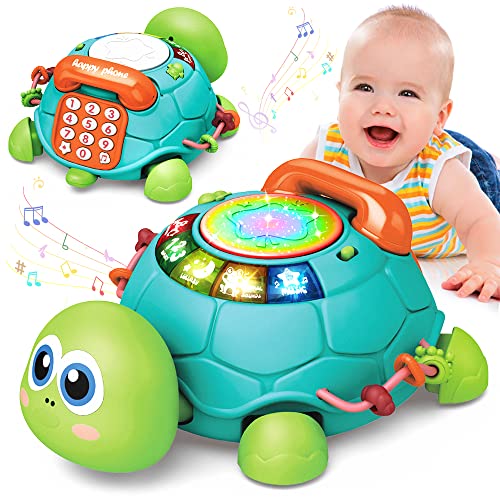
- Auditory Development: Rattles, musical toys, and toys that make sounds help your baby develop their sense of hearing and begin to understand cause and effect. Soft, gentle sounds are best for newborns, while older infants enjoy toys that allow them to create their own sounds.
- Tactile Exploration: Textured toys, soft fabrics, and toys with different surfaces help develop your baby's sense of touch. This is essential for developing fine motor skills and understanding the physical world. Sensory toys are beneficial for all infants, not just those with special needs.
- Cause and Effect: Toys that respond to your baby's actions – like toys that light up or make sounds when pressed – help develop cognitive understanding. These toys teach babies that their actions have consequences, which is a crucial step in cognitive development.
Motor Skill Development: Building Strength and Coordination
Motor skill development is another critical area of infant growth. During the first year, your baby will progress from reflexive movements to intentional actions, from reaching and grasping to crawling and, eventually, walking. The right toys can support each stage of this development.
- Fine Motor Skills: Toys that encourage grasping, reaching, and manipulating small objects help develop fine motor skills. Soft blocks, rattles, teething toys, and fine motor skill toys are perfect for this purpose.
- Gross Motor Skills: Tummy time mats, activity gyms, and push toys encourage your baby to strengthen their core, arms, and legs. These toys help prepare your baby for crawling and walking, supporting the development of gross motor skills.
- Hand-Eye Coordination: Toys that require reaching, grasping, and aiming help develop hand-eye coordination. Stacking toys, shape sorters, and toys that involve placing objects into containers are great for this skill.
- Balance and Movement: As your baby grows, toys that encourage movement – like ride-on toys designed for older infants – can help develop balance and coordination. Always ensure these toys are age-appropriate and used under supervision.
Cognitive and Language Development: Encouraging Early Thinking and Communication
Even before they can speak, babies are learning to communicate. They learn through observing, listening, and interacting with the world around them. The right toys can support this early development and lay the groundwork for language and cognitive skills.
- Problem-Solving: Toys that involve cause-and-effect, such as shape sorters, activity cubes, and toys with buttons that produce results, help develop early problem-solving skills.
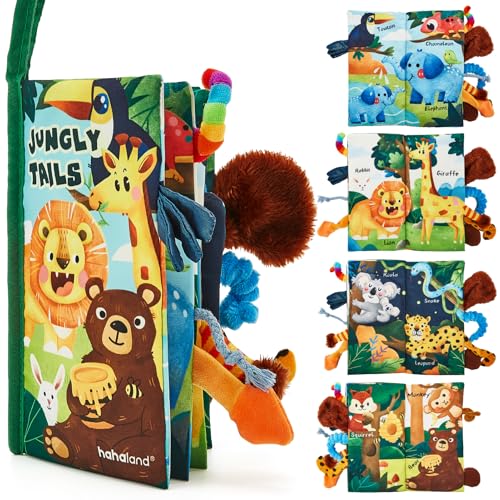
- Early Language: Interactive books, toys that name objects or animals, and toys that encourage vocalization can support language development. Remember, the most important language tool is your voice – talk to your baby as you play together!
- Object Permanence: Toys that involve hiding and revealing objects help develop your baby's understanding of object permanence – the concept that things continue to exist even when they can't be seen. Developmental toys often incorporate this concept.
- Social and Emotional Development: Interactive toys, mirrors, and toys that encourage imitation help your baby develop social and emotional awareness. Your participation in play is essential for this development.
💡 Expert Tip: The best educational toy for your infant is you! Your interaction, engagement, and enthusiasm during playtime are more valuable than any toy you can buy. Use toys as tools to connect with your baby, encourage exploration, and share in the joy of discovery. Read more about play ideas that you can enjoy with your little one.
Choosing the Right Toys for Your Baby
With so many options available, choosing the right educational toys can feel overwhelming. Here are some key considerations to keep in mind:
- Age Appropriateness: Always check the age recommendations on toy packaging. Toys designed for older children may contain small parts that are choking hazards for infants.
- Safety: Look for toys made from non-toxic materials, with no sharp edges or small parts. Avoid toys with long strings or cords that could be a strangulation hazard.
- Durability: Babies explore by putting things in their mouths, so choose toys that are durable and easy to clean. Wooden toys are often a great choice for durability and safety.
- Developmental Stage: Choose toys that are appropriate for your baby's current developmental stage, but also offer opportunities for growth. A toy that challenges your baby slightly can help them develop new skills.
- Open-Ended Play: Toys that can be used in multiple ways – like blocks, stacking toys, and simple balls – promote creativity and open-ended play, which is essential for cognitive development.
📌 Quick Recap: Best Types of Educational Toys for Infants
- 0-3 Months: High-contrast black and white toys, soft rattles, mobiles
- 4-6 Months: Teething toys, soft blocks, activity gyms
- 7-9 Months: Stacking rings, shape sorters, cause-and-effect toys
- 10-12 Months: Push toys, activity cubes, interactive books
- All Ages: Sensory toys, musical toys, and toys that encourage interaction with caregivers
Ready to find the perfect educational toys for your infant? Browse our carefully curated selection below. Each product has been chosen for its educational value, safety, and quality. Remember, the right toy can make a world of difference in your baby's development.