Developmentally Appropriate Toys for 3–5 Year Olds
Support your preschooler's growth with carefully chosen toys that match their developmental stage. From fine motor skills to early literacy, find the perfect playthings for curious minds aged 3 to 5.
See Top Picks →What Makes a Toy Developmentally Appropriate for Preschoolers?
Children between 3 and 5 years old are in a period of rapid cognitive, social, and physical growth. The best toys for this age group are those that challenge them just enough to keep them engaged without causing frustration. Developmentally appropriate toys support emerging skills like problem-solving, creativity, language, and cooperation.
When choosing toys for your preschooler, look for items that:
- Encourage open-ended play – Building blocks, art supplies, and pretend play sets allow children to use their imagination.
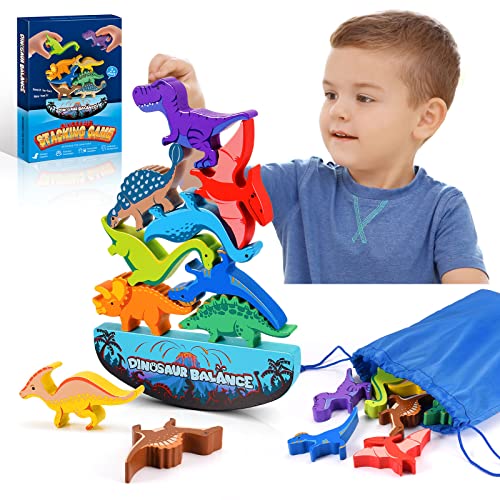
- Build fine and gross motor skills – Puzzles, threading beads, and outdoor climbing equipment help develop coordination.
- Promote social interaction – Board games and cooperative playsets teach turn-taking and teamwork.
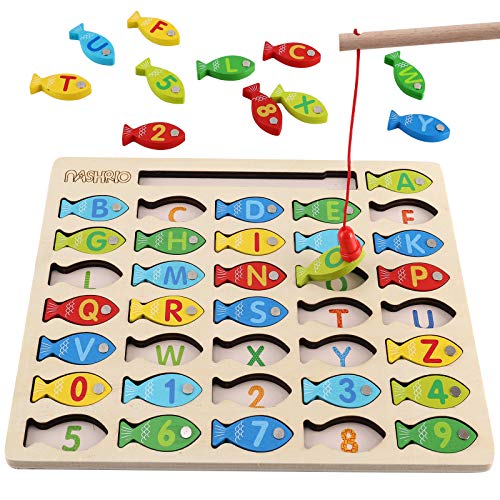
- Introduce early academic concepts – Letter and number puzzles, counting games, and simple science kits make learning fun.
💡 Did you know? The American Academy of Pediatrics recommends that children aged 3–5 get at least 60 minutes of unstructured play each day. The right toys can turn that playtime into a powerful learning experience.
Key Developmental Areas & Toy Recommendations
Preschoolers develop skills across multiple domains simultaneously. Here are the most important areas and the types of toys that support each one.
🧠 Cognitive Skills
Puzzles, memory games, and cause-and-effect toys. Look for items that require planning and problem-solving.
🖐️ Fine Motor
Building blocks, threading beads, play dough, and scissors. These strengthen hand muscles for writing.
🏃 Gross Motor
Ride-on toys, balls, climbing structures, and balance beams. Great for coordination and physical health.
🗣️ Language & Literacy
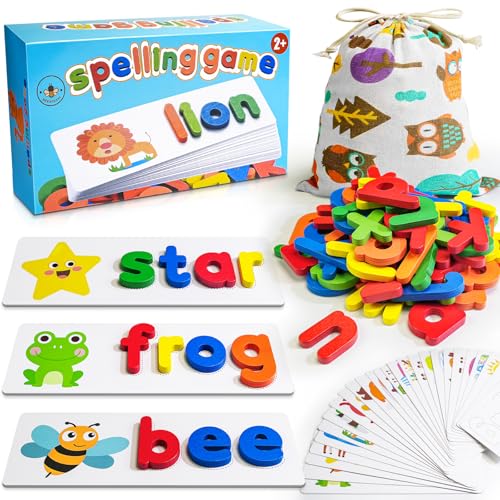
Alphabet toys, storytelling sets, and picture books. Encourage vocabulary and narrative skills.
🎭 Social-Emotional
Pretend play sets, dolls, dress-up clothes, and cooperative games. Build empathy and social skills.
🔬 STEM & Discovery
Magnets, simple science kits, and nature exploration tools. Spark curiosity about the world.
Top Toy Categories for 3–5 Year Olds
Not all toys are created equal. Here are the most beneficial categories for preschoolers, along with examples of what to look for.
🧩 Puzzles & Problem-Solving
Puzzles help develop spatial awareness, patience, and cognitive flexibility. For 3-year-olds, start with chunky wooden puzzles with large pieces. By age 5, children can handle 24-piece puzzles and more complex logic games. Consider floor puzzles for 3-4 year olds for a fun, interactive challenge.
🏗️ Building & Construction
Building sets encourage creativity, engineering thinking, and fine motor skills. Look for blocks that are easy to connect and come in various shapes and colors. Magnetic tiles and interlocking bricks are perennial favorites. Explore STEM toys for 3-5 year olds to combine construction with learning.
🎭 Pretend Play & Dress-Up
Imaginative play is crucial for social-emotional development. Dolls, action figures, play kitchens, and dress-up costumes allow children to experiment with roles and scenarios. This type of play builds language skills and empathy.
🎨 Arts & Crafts
Art supplies like washable markers, safety scissors, and modeling clay support creativity and fine motor control. Look for sets that include multiple materials to encourage experimentation.
🚲 Outdoor & Active Play
Ride-on toys, scooters, and climbing structures help children develop gross motor skills and burn off energy. Active play is essential for physical health and can improve focus during quiet activities. Check out outdoor toys for 6-8 year olds for ideas that grow with your child.
📚 Early Learning & Literacy
Alphabet puzzles, word games, and interactive books introduce pre-reading skills in a playful way. Look for toys that pair letters with sounds and images to build phonemic awareness.
Age-Specific Recommendations
While every child develops at their own pace, here are general guidelines for what to look for at each age.
For 3-Year-Olds
At 3, children are developing their language and beginning to engage in simple pretend play. Look for toys that are easy to manipulate and encourage basic problem-solving. Some great options include top-rated toys for 3-year-olds, simple shape sorters, and large-piece puzzles.
Also consider fine motor toys for 3-year-olds to help strengthen the small muscles in their hands.
For 4-Year-Olds
Four-year-olds have longer attention spans and more advanced motor skills. They enjoy more complex puzzles, board games, and creative building sets. Top-rated toys for 4-year-olds often include cooperative games and beginner STEM kits.
Look for toys that encourage group play and social interaction, as this is a key developmental milestone at this age.
For 5-Year-Olds
Five-year-olds are often preparing for kindergarten and benefit from toys that teach early academic skills. Top-rated toys for 5-year-olds include early reading games, math manipulatives, and more complex building sets.
Encourage their growing independence with toys that allow for creative expression and problem-solving without constant adult guidance.
Safety & Quality Considerations
When choosing toys for young children, safety is paramount. Always check for:
- Age recommendations – Follow the manufacturer's age guidelines to ensure the toy is appropriate for your child's developmental stage.
- Choking hazards – Avoid small parts for children under 3, and supervise play with toys that contain small pieces.
- Non-toxic materials – Look for toys labeled as BPA-free, phthalate-free, and made from non-toxic paints and finishes.
- Durability – Well-made toys last longer and are safer. Avoid toys with sharp edges or easily breakable parts.
🔒 Safety First: Always supervise playtime, especially when introducing new toys. Regularly inspect toys for wear and tear, and replace any that become damaged.
Final Thoughts: Play with Purpose
Choosing developmentally appropriate toys for your 3-5 year old doesn't have to be overwhelming. Focus on toys that align with your child's interests and developmental needs. The best toys are those that your child will return to again and again, finding new ways to play and learn each time.
Remember, the goal is not just to entertain, but to provide opportunities for growth. Whether it's a puzzle that teaches spatial reasoning, a pretend play set that builds social skills, or an outdoor toy that develops coordination, every play session is a chance for your child to learn and thrive.
Ready to find the perfect toys for your preschooler? Check out our curated selection of developmentally appropriate toys for 3-5 year olds to get started.