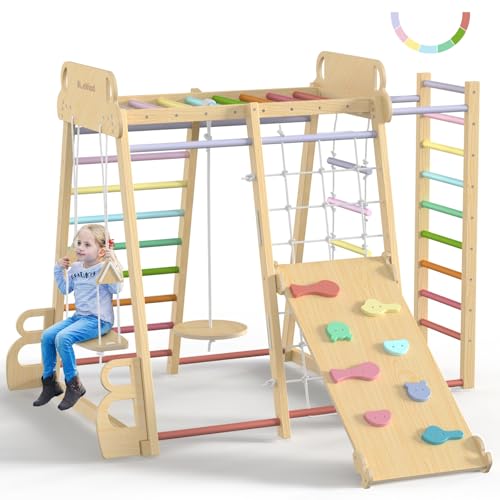
Commercial Indoor Playground Equipment: The Complete Buyer's Guide
Everything you need to evaluate soft play structures, modular climbing systems, and safety surfacing before investing in a commercial indoor playground for your venue.
View Recommended Equipment🔍 Research First, Invest Confidently: Shopping for commercial indoor playground equipment is a major decision for family entertainment centers, retail venues, schools, and community spaces. This guide breaks down equipment types, safety standards, space planning, and tier classifications so you can shortlist the right system for your venue — with confidence.
Why Commercial Indoor Playground Equipment Deserves Careful Planning
Indoor play areas have become anchor attractions for family entertainment centers, shopping malls, restaurants, and daycare facilities. Unlike consumer-grade play sets, commercial indoor playground equipment must withstand continuous daily use by hundreds of children while meeting strict safety codes. The right system balances durability, age-appropriate challenge, and efficient use of floor space.
A well-chosen playground also supports child development — promoting gross motor skills, social interaction, and imaginative play. For venue operators, it drives repeat visits and extends dwell time. If you are comparing layouts and concepts, our overview of commercial indoor play equipment covers how soft play zones differ from modular climbing systems and helps narrow the category that fits your floor plan.
Main Types of Commercial Indoor Playground Equipment
Most commercial indoor play spaces combine several equipment categories into a single themed zone. Understanding each type helps you plan a layout that serves multiple age groups without crowding:
Soft Play Structures
Padded multi-level frames with slides, tunnels, and ball pits. Ideal for toddlers and younger children; prioritize reinforced foam padding and easy-clean vinyl covers.
Modular Climbing Frames
Configurable frames with nets, ladders, and platforms that can expand with your venue. Look for heavy-duty steel core construction and interchangeable modules.
Tube Slides & Drop Slides
Enclosed tube slides add excitement while containing movement. Check exit run-out lengths and landing zone requirements against your ceiling height.
Ball Pits & Interactive Zones
Ball pits require commercial-grade pit liners, hygiene access, and ball-cleaning protocols. Interactive projection walls and sensory panels add variety.
Trampoline & Active Play Areas
Indoor trampoline courts and ninja courses serve older children. Verify mat specifications, spring padding, and net enclosure standards.
Themed Toddler Zones
Dedicated soft play villages for under-fives, separated by low barriers. Essential for venues hosting mixed-age families.
Equipment Tiers: Matching Build Quality to Your Venue
Rather than comparing raw figures, use tier classifications to match equipment quality to your traffic patterns and long-term plans. The table below outlines how each tier typically positions in the market:
| Tier | Best For | Typical Characteristics | Durability Focus |
|---|---|---|---|
| Entry-Level | Small cafés, boutique play corners, start-up venues | Compact soft play modules, simpler assembly, fewer custom options | Solid build for low-to-moderate daily traffic |
| Mid-Range | Established family centers, mid-size retail play zones | Modular structures with more themed elements and replaceable parts | Heavy-duty padding and reinforced connectors for consistent use |
| High-End Tier | High-traffic FECs, destination venues, premium malls | Custom-themed multi-level systems, integrated obstacles, premium materials | High-grade steel cores, commercial vinyl, extended service life |
| Commercial-Grade | Large-scale indoor parks, franchise operations | Engineered-to-spec structures, full compliance documentation, scalability | Professional-grade components designed for continuous heavy use |
A common planning insight: mid-range systems usually offer smoother module interchangeability than entry-level kits, while commercial-grade equipment is built around documented load ratings and long-term serviceability. If you are weighing a purchase against leasing or rental concepts for other attractions, our guide on commercial playground equipment for sale explains what to verify in a supplier before committing.
Safety Standards You Must Verify Before Purchase
Safety compliance is non-negotiable for commercial play equipment. Reputable suppliers provide documentation for the following, and you should request it before signing any order:
- ASTM F1918 — the standard practice for soft contained play equipment, covering entrapment, fall height, and structural integrity.
- EN 1176 — the European playground equipment standard, widely referenced internationally for indoor play structures.
- CPSC guidelines — U.S. Consumer Product Safety Commission recommendations on surfacing and age-appropriate design.
- Fire retardancy certificates for padding, vinyl covers, and soft play elements.
- Impact-attenuating surfacing rated to the equipment's fall height (foam mats, bonded rubber, or engineered turf systems).
- Entrapment and entanglements testing reports for nets, ropes, and enclosed slides.
For schools and educational facilities, additional considerations apply around supervision sightlines and age segregation. Our breakdown of commercial playground equipment for schools covers how to align play zones with early-years learning environments.
Space Planning: How Much Room Do You Actually Need?
Floor space requirements depend on your chosen concept. As a planning baseline:
- Circulation zones — allow clear paths at least 36 inches wide between structures for supervision and emergency access.
- Fall zones — maintain the required surfacing radius around every elevated platform and slide exit.
- Seating and sightlines — position caregiver seating so all play zones remain visible; blind corners are a common inspection issue.
- Ceiling height — multi-level structures and tube slides typically need generous clearance; confirm before finalizing layout.
- Hygiene facilities — plan access for ball-pit cleaning and soft play sanitation without disrupting play.
Compact venues can start with a focused soft play corner and expand later using modular systems. Larger facilities often combine climbing frames with themed toddler villages — similar in concept to how dedicated commercial preschool playground equipment isolates younger age groups for safer play.
Maintenance and Long-Term Reliability
Commercial equipment is a long-term investment, and its service life depends on routine care. Build these practices into your operating plan:
- Daily visual checks of padding, netting, and slide surfaces before opening.
- Weekly torque checks on structural bolts and connector hardware.
- Monthly deep cleaning of soft play covers and ball-pit sanitization.
- Documented inspection logs to support insurance and compliance audits.
- Spare parts inventory for high-wear items such as padding covers and net panels.
Choosing a supplier that stocks replacement modules keeps downtime short. The same principle applies across play categories — whether you are sourcing a large indoor system or planning a smaller outdoor addition like a children's outdoor play equipment set, serviceability should weigh into your decision.
Final Buying Checklist
Before placing an order, confirm these points with each supplier on your shortlist:
- Compliance certificates for ASTM F1918, EN 1176, or equivalent local standards.
- Documented load ratings and recommended maximum occupancy.
- Age-segregation options so toddler and junior zones can coexist safely.
- Installation support, including anchoring and surfacing guidance.
- Warranty terms on structural frames versus soft components.
- Availability of replacement parts and service agreements.
- References from venues with comparable traffic volume.
For a broader view of how indoor commercial systems fit alongside outdoor installations, explore our guide to commercial indoor playground equipment concepts and their outdoor counterparts.
Frequently Asked Questions
What safety standards apply to commercial indoor playground equipment?
Commercial indoor playground equipment should comply with standards such as ASTM F1918, EN 1176, and CPSC guidelines, covering fall height, surfacing, entrapment, and structural integrity. Always request compliance certificates from your supplier.
What are the main types of commercial indoor playground equipment?
Main types include soft play structures, modular climbing frames, ball pits, tube slides, trampoline parks, and themed play zones, each suited to different age groups and floor plans.
How much floor space is needed for a commercial indoor playground?
Space needs vary by concept: compact soft play zones can fit small retail spaces, while full modular structures typically require several hundred to over a thousand square feet including circulation and safety zones.
How do I choose the right tier of commercial playground equipment?
Match the tier to your traffic and budget: entry-level for small venues, mid-range for established family centers, and commercial-grade or professional-grade for high-traffic destinations with heavy-duty demands.
What maintenance does commercial indoor playground equipment require?
Regular inspection of bolts, padding, nets, and surfacing is essential. Cleaning soft play surfaces, checking structural connections, and documenting maintenance logs help extend equipment lifespan and maintain safety compliance.