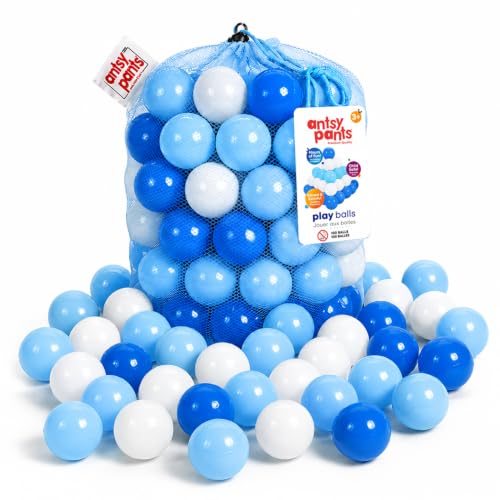
Blue Pit Balls: The Complete Guide to Safe, Fun, and Colorful Play
Everything parents and playroom designers need to know — material safety, size standards, cleaning routines, and creative sensory play ideas.
START BUYING GUIDEWhy Blue Pit Balls Deserve a Spot in Your Playroom
Ball pits have moved far beyond the fast-food playground. Today, blue pit balls are a staple in homes, sensory rooms, therapy clinics, and even event venues. The color blue is not just a style choice — research in color psychology suggests that cool blues can promote calm focus, making blue balls especially popular for children with sensory processing sensitivities.
Whether you are building a dedicated ball pit for a toddler, refreshing an existing play area, or designing a sensory corner for a child with special needs, the quality of the balls themselves matters more than most parents realize. Cheaply made balls crack, flatten, and pose choking risks. High-grade options last for years, hold their shape, and meet strict safety certifications.
This guide walks you through every decision: material type, size standards, safety certifications, cleaning routines, and creative play ideas. By the end, you will know exactly which blue pit balls fit your space, your child's age, and your long-term play goals. If you are still exploring broader play equipment, our buying guides cover complementary categories like building toys and board games.
Material Showdown: What Are Blue Pit Balls Actually Made Of?
The market offers three dominant material types. Each comes with its own durability profile and safety considerations. Here is a straightforward comparison to help you choose with confidence.
| Material | Tier | Best For | Key Traits |
|---|---|---|---|
| Low-density polyethylene (LDPE) | entry-level | Occasional home use, temporary setups | Lightweight, flexible, softer surface feel |
| High-density polyethylene (HDPE) | mid-range | Daily home play, sensory rooms | Durable construction, resists crushing, holds color |
| Polypropylene (PP) or premium blend | premium | Commercial play areas, heavy use | Heavy-duty, reinforced walls, long-term shape retention |
Safety Certifications to Look For
Reputable manufacturers submit their pit balls for third-party testing. When browsing listings, look for these certifications:
- ASTM F963 — the U.S. toy safety standard covering mechanical hazards and flammability.
- CPSIA compliance — mandatory for toys sold in the United States.
- Phthalate-free and BPA-free labeling — critical for any product a toddler might mouth.
- EN71 (Europe) — relevant if you are sourcing internationally.
Premium-tier balls typically carry all of these certifications and include a manufacturer contact for recall tracking. Entry-level sets often skip third-party testing, which is a meaningful trade-off for families with very young children.
Size Matters: Choosing the Right Diameter for Your Child
Ball diameter is the single most important safety variable. The general rule of thumb from pediatric safety organizations is simple: any ball smaller than 2.75 inches in diameter is a choking hazard for children under three.
Standard Size Tiers
- 2.2–2.5 inches (entry-level size): Suitable only for children over three and for decorative purposes. Avoid for toddlers.
- 2.75–3 inches (mid-range standard): The most common size for home ball pits. Safe for ages three and up, and comfortable for small hands to grab.
- 3.1–3.5 inches (premium/commercial size): Designed for high-traffic play areas. Easier to clean and less likely to be swallowed, but they fill a pit faster.
If you are outfitting a pit for a toddler, err on the larger side and always supervise play. For a deeper dive into age-appropriate play equipment, see our guides on building blocks for 2-year-olds and building toys for preschoolers.
How to Choose Blue Pit Balls: A Step-by-Step Buying Framework
Use this checklist before you commit to a purchase. It keeps you from overbuying, undersizing, or ending up with a pit that empties too fast.
Step 1: Calculate Volume, Not Just Count
Most parents underestimate how many balls a pit needs to feel "full." A common baseline is about 100 balls per square foot of pit floor at a depth of roughly 6 inches. For a 4-foot by 4-foot pit, that is around 1,600 balls for a satisfying play depth. Buy in increments and top up over time.
Step 2: Match Material to Usage
For a bedroom corner used a few times a week, mid-range HDPE is efficient in the long run. For a sensory clinic or a play cafe, premium-tier polypropylene is the worthwhile investment because it resists crushing under repeated use.
Step 3: Check Color Fastness
Blue dye can fade with UV exposure. Look for balls labeled "UV-stabilized" or "colorfast." This matters especially if your pit sits near a window.
Step 4: Plan for Cleaning
Mesh laundry bags sized for the ball diameter make weekly washing practical. Premium balls with smooth seams trap less debris than entry-level balls with visible mold lines.
Step 5: Verify Return Policy
Bulk orders sometimes arrive with a few crushed balls. A generous return or replacement policy signals a manufacturer that stands behind its durability claims.
If you are building out a broader play space, our guides on children's indoor bounce houses and bounce houses with ball pits and slides show how pit balls integrate with larger inflatable structures.
Creative Play Ideas Using Blue Pit Balls
Beyond free play, pit balls are a versatile tool for developmentally rich activities. Here are five ideas that parents and therapists use regularly.
1. Color Sorting and Counting
Mix blue balls with other colors and ask your child to sort them into bins. For older toddlers, count how many blue balls fit into a container. This builds fine motor control and early math skills simultaneously.
2. Sensory Regulation Breaks
For children with sensory processing differences, a shallow layer of blue pit balls offers calming deep-pressure input. Pair this with calming toys to create a dedicated regulation corner.
3. Obstacle Course Integration
Scatter balls across a hallway and challenge kids to step only on the blue ones. This turns a simple game into a balance and coordination exercise. Our children's outdoor play equipment guide has more ideas for combining active play zones.
4. Themed Pretend Play
Blue balls become "water" for a pretend ocean, "blueberries" for a play kitchen, or "ice crystals" for a winter-themed sensory bin. Pair with children's play houses for immersive storytelling sessions.
5. Target Practice
Set up lightweight buckets at varying distances and let kids toss blue balls into them. This develops hand-eye coordination and turn-taking social skills.
Cleaning and Maintaining Your Blue Pit Balls
Pit balls accumulate dust, sticky fingerprints, and the occasional snack crumb. A simple maintenance routine keeps them hygienic and extends their lifespan.
Weekly Routine
- Remove all balls from the pit and wipe down the pit liner with a mild soap solution.
- Fill a mesh laundry bag with balls and run it through a gentle cycle with cold water and a small amount of mild detergent.
- Air-dry completely in a single layer before returning them to the pit. Trapped moisture promotes mold growth.
Monthly Deep Clean
- Inspect each ball for cracks, dents, or sharp edges. Discard damaged balls immediately.
- Use a disinfectant spray approved for children's products, following label instructions.
- Rotate ball stock to distribute wear evenly across the set.
Proper maintenance also protects your broader toy collection. Our guide to cleaning plush toys follows a similar hygiene-first philosophy.
Frequently Asked Questions
Are blue pit balls safe for babies?
Only if they are larger than 2.75 inches in diameter and marketed for children under three. Always supervise and check for cracked balls before each play session. For babies, consider soft fabric alternatives first and consult our buying guides for age-appropriate recommendations.
How many balls do I need for a standard ball pit?
A practical starting point is 100 balls per square foot of pit floor. A 3-foot by 3-foot pit needs roughly 900 balls for a satisfying depth. Buy in stages so you can adjust to your child's comfort level.
Do blue pit balls fade over time?
Entry-level balls can fade within months, especially near windows. Mid-range and premium balls labeled "UV-stabilized" retain color significantly longer. Rotate ball positions periodically to even out exposure.
Can pit balls be recycled?
Yes. HDPE and polypropylene balls are recyclable through many municipal programs. Check your local recycling guidelines and remove any damaged balls from the play area before recycling them.
What is the best way to store pit balls when not in use?
Use breathable mesh storage bags rather than sealed plastic bins. This prevents moisture buildup and makes it easy to toss the bag into the wash. Our building block storage ideas guide shares complementary organization strategies.
Keep Exploring
Blue pit balls are one piece of a well-rounded play environment. If you are building out a sensory room or family play area, these related guides will help you plan the full space:
- Children's Indoor Bounce House Ideas — integrate a small pit into an inflatable play zone.
- Bounce House with Ball Pit and Slide — a combined structure for active play.
- Calming Toys for Sensory Regulation — pair pit ball play with other regulation tools.
- Building Block Storage Ideas — keep the playroom tidy alongside your ball pit.
- Children's Outdoor Play Equipment — extend the fun outside.
- Toy Buying Guides — our full library of purchase decision frameworks.