Baby Dolls: The Complete Guide to Choosing the Perfect Doll
From first cuddly companions to realistic collectibles, discover expert insights, safety tips, and age-appropriate recommendations for every little caregiver.
Explore Age-Based Recommendations🧸 Why Baby Dolls Matter: Baby dolls are more than just toys — they are powerful tools for developing empathy, nurturing instincts, and social skills. Whether your child is just discovering the joy of cuddling a soft doll or is ready for realistic role-play with accessories, choosing the right doll at the right stage makes all the difference. This guide walks you through the key considerations, from safety standards to developmental benefits, so you can make a confident, informed choice.
Choosing Baby Dolls by Age Group
The right doll changes as your child grows. Here's how to match doll features to developmental stages, ensuring both safety and engagement at every age.
12–24 Months: First Cuddle Companions
At this stage, babies and toddlers explore through touch and cuddling. Choose soft-bodied dolls with sewn-on facial features, no removable parts, and machine-washable fabrics. Dolls that are lightweight and easy for small hands to grasp are ideal. Avoid dolls with long hair or small accessories that could pose choking risks.
2–4 Years: Pretend Play Begins
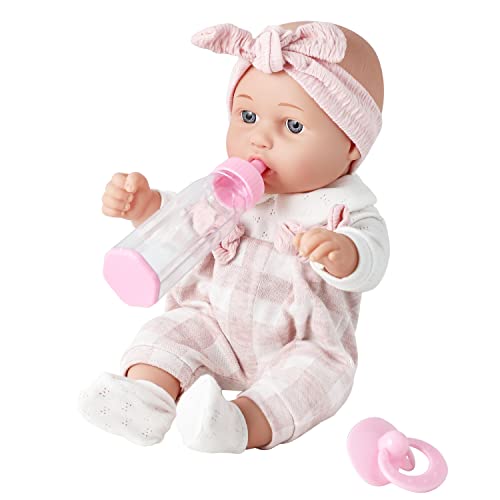
Preschoolers start mimicking caregiving routines. Look for dolls with simple removable clothing (large snaps or hook-and-loop closures), molded hair that's easy to clean, and accessories like a bottle or blanket. Dolls that can be bathed or fed encourage nurturing play and language development.
5–7 Years: Detailed Role-Play
School-age children enjoy more realistic dolls with rooted hair, articulated limbs, and detailed outfits. This is when realistic baby dolls and doll accessories like strollers, cribs, and high chairs become popular. Choose dolls with durable construction to withstand active play.
8+ Years: Collecting & Advanced Play
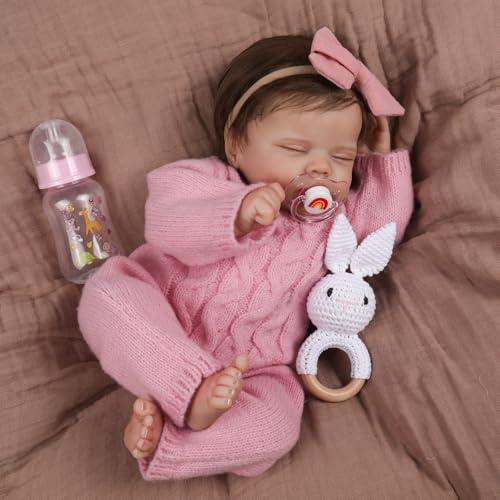
Older children and collectors appreciate highly detailed, realistic baby dolls with premium materials, weighted bodies, and hand-painted features. These dolls often serve as display pieces or support sophisticated role-play and storytelling.
Key Features to Evaluate Before Buying
Not all baby dolls are created equal. Use this checklist to assess quality, safety, and play value before making a purchase decision.
- Body Construction: Soft cloth bodies are ideal for younger children, while vinyl or plastic bodies offer durability for older kids. Some premium dolls feature weighted bodies for a more realistic feel.
- Facial Features: For children under three, sewn-on or embroidered features are safest. Painted or molded features are appropriate for older children, while glass eyes should be reserved for collector dolls.
- Hair Type: Molded hair is easiest to clean and most durable for toddlers. Rooted hair offers realism but requires gentle care and is better suited for older children.
- Clothing & Accessories: Removable clothing supports pretend play but may include small buttons or snaps. Ensure accessories are age-appropriate and securely attached.
- Materials & Safety Certifications: Look for non-toxic, BPA-free materials and certifications like ASTM F963 (US) or EN71 (EU). Always follow the age recommendation on the packaging.
- Size & Weight: A doll that's too heavy or large can be frustrating for small children. Choose a size proportional to your child's age and strength.
Baby Doll Tiers: Finding the Right Fit for Your Needs
Baby dolls span a wide spectrum of quality and craftsmanship. Use this tier comparison to understand what different market segments offer — without getting caught up in unnecessary details.
| Tier | Best For | Typical Features |
|---|---|---|
| Essential Tier | First dolls, everyday play, daycare settings | Soft cloth body, sewn-on features, molded hair, simple removable outfits, machine-washable fabrics, lightweight construction. |
| Balanced Tier | Preschoolers and early school-age children | Vinyl body with soft torso, rooted or molded hair, articulated limbs, detailed outfits with functional closures, accessories like bottles and blankets. |
| Premium Tier | Collectors, older children, gift-giving | Weighted body for realism, hand-painted facial features, high-quality rooted hair, premium fabrics, detailed accessories, durable construction for long-term use. |
Related Guides & Resources
Expand your knowledge with these related articles from our toy experts. Each guide is designed to help you make informed decisions for every stage of childhood.
- Explore our comprehensive collection of realistic baby dolls that look real for older children and collectors.
- Learn about age-appropriate toys for 12–18 months to complement your doll selection.
- Discover dolls and accessories across all categories, from fashion dolls to collectible figures.
- Read our toy safety guide for essential tips on choosing safe toys for young children.
- Browse gifts for toddlers to find the perfect present for a little one.
- Compare doll types to understand the differences between baby dolls, fashion dolls, and collectible dolls.
- Learn how to clean plush toys and soft-bodied dolls to keep them hygienic.
Frequently Asked Questions About Baby Dolls
Baby dolls are available for children as young as 12 months, but the ideal age depends on the doll's features. For toddlers, choose soft-bodied dolls with simple, sewn-on features. For preschoolers, dolls with removable clothing and accessories support pretend play. School-age children can handle more detailed dolls with realistic features and articulated joints. Always check the manufacturer's age recommendation on the packaging.
Safety depends on the doll's construction, not its realism. For children under three, avoid dolls with small removable parts, glass eyes, or loose accessories that could become choking hazards. Choose dolls labeled as safe for the child's age group, with securely attached features and non-toxic materials. Realistic dolls designed for older children may contain small parts not suitable for toddlers.
Cleaning methods depend on the doll's materials. Soft-bodied fabric dolls can often be surface-washed with a damp cloth and mild soap, or machine-washed if the label permits. Vinyl and plastic dolls should be wiped with a disinfecting wipe or a cloth dampened with mild soapy water. Avoid submerging dolls with electronic components or rooted hair. Always check the manufacturer's care instructions before cleaning.
For toddlers, prioritize safety and durability. Look for soft, huggable bodies, sewn-on or embroidered facial features instead of small plastic parts, and securely attached hair or molded hair. Dolls that are machine-washable or easy to surface-clean are practical. Avoid dolls with long strings, small accessories, or delicate clothing that could pose a hazard. A doll that is lightweight and appropriately sized for small hands is also easier for toddlers to carry and cuddle.
Ready to Find the Perfect Baby Doll?
Our expert-curated selection features top-rated baby dolls for every age and stage. Whether you're shopping for a first cuddle companion or a premium collectible, we've got you covered.
View Recommended Baby Dolls