Water Slide for an Above Ground Pool: The Complete Buyer's Guide
Turn your above ground pool into the neighborhood's favorite destination. A water slide adds hours of active, refreshing fun — but choosing the right one requires understanding deck requirements, safety limits, and the difference between inflatable and hard slides. Here's everything you need to know.
Explore Top Picks
🌊 Why above ground pool slides need extra care: Above ground pools have unique structural and safety considerations that in-ground pools don't. The pool wall is typically lower, the deck may be smaller or non-existent, and the water depth is fixed. A slide designed for an in-ground pool won't simply work on an above ground setup — the slide must be positioned so its exit clears the pool wall and delivers riders safely into water that is deep enough. This guide walks you through the options, the requirements, and the safety essentials so you can choose with confidence.
Types of Water Slides for Above Ground Pools
There are two broad categories of pool slides, and each has distinct advantages and limitations for above ground pool owners.
Inflatable Slides
Portable, easier to set up, and generally more forgiving on the pool structure. Most can be placed on a deck or on the ground beside the pool, with the exit extending over the edge. They are the most common choice for above ground pools.
Hard Slides (Fiberglass/Plastic)
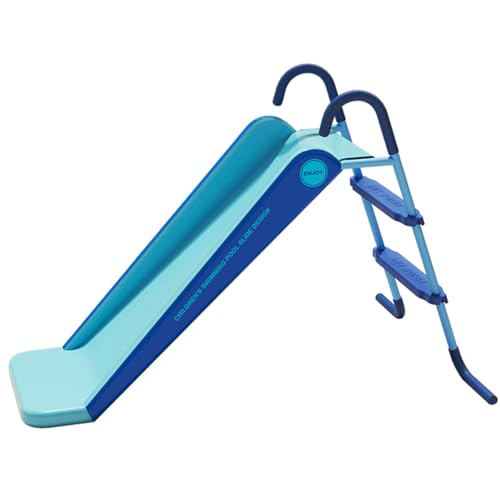
More durable and offer a smoother, faster ride. They require a permanent, stable deck and must be bolted down. Installation is more involved, but they last far longer than inflatables.
Deck Requirements
Most slides — inflatable or hard — need a sufficiently high and stable deck to mount the slide so the exit clears the pool wall. Some inflatables can sit on the ground, but the slide height must still be adequate.
For families comparing backyard water play options, our guide to outdoor water toys for 7 year olds covers smaller alternatives, while the Big Splash triple water slides page explores full inflatable water parks that don't require a pool.
Key Features That Matter Most
Not every pool slide is built to the same standard. These are the features that most directly affect safety, enjoyment, and longevity for an above ground pool setup.
Pool Compatibility
Confirm the slide is designed for or compatible with above ground pools. Many inflatables specify "any above ground pool with a sufficient pool height deck" — this is the critical requirement [citation:3][citation:6].
Deck Height & Stability
The slide must sit high enough that its exit clears the pool wall. A stable, level deck is non-negotiable. Hard slides must be bolted to the deck per the manufacturer's instructions.
Weight and Age Limits
Most inflatable slides are rated for ages 6+ and a maximum weight around 176 lbs [citation:6][citation:10]. Hard slides often have similar or slightly higher limits. Never exceed these ratings.
Water Depth at Landing
The water depth at the slide's exit must be sufficient to prevent injury. Above ground pools often have limited depth, so verify that the slide's landing zone aligns with the deeper end of your pool.
Material Durability
Inflatable slides use PVC vinyl (often 20-gauge) [citation:3][citation:6]. Hard slides use fiberglass or reinforced plastic. Both need to withstand chlorine, UV exposure, and repeated use.
Sprayer System
A garden hose connection with built-in sprayers keeps the slide surface wet and slippery. Dry slides cause friction burns and slow, unsafe descents [citation:3][citation:5].
Handles and Climbing Surface
Heavy-duty handles and a textured or stepped climbing surface make it safer for children to reach the top [citation:3][citation:10].
Anchoring System
Inflatable slides need water bags or stakes to stay in place. Hard slides require permanent bolts. An unanchored slide is a serious safety hazard.
Landing Pad
A soft landing pad or extension at the slide's exit cushions the entry into the water and reduces impact [citation:1][citation:10].
Entry-Level vs. Mid-Range vs. High-End Tier
Pool slides for above ground pools fall into three quality tiers. Understanding what each offers helps you match the slide to your family's needs and usage patterns.
| Tier |
Best For |
Typical Characteristics |
| Entry-Level |
Occasional use and smaller pools |
Basic inflatable construction, simpler sprayer systems, shorter lifespan. A solid introduction for families testing the category without a major commitment. |
| Mid-Range |
Regular summer use and families with children |
Better vinyl thickness, multiple air chambers, sturdier handles, and more reliable sprayer connections. The best balance for most above ground pool owners. |
| High-End Tier |
Daily use and long-term investment |
Hard fiberglass or reinforced plastic construction, permanent anchoring, premium hardware, and the highest durability in the category. Requires a permanent deck. |
As a general rule, mid-range inflatable slides offer the best balance of convenience, safety, and longevity for a typical above ground pool. Entry-level slides are fine for occasional use, while high-end hard slides make sense when the pool is a central part of family life and a permanent deck is already in place.
Safety Checklist Before You Buy
Pool slides carry inherent risks, and above ground pools add specific challenges. Use this checklist to evaluate any slide you're considering.
Must-Have Safety Features and Practices
- Slide is explicitly rated for above ground pools or "pools with a sufficient height deck" [citation:3]
- Stable, level deck that meets the manufacturer's height and anchoring requirements
- Water depth at the landing zone is adequate (check the slide's specifications)
- Weight and age limits are respected (commonly 6+ and around 176 lbs for inflatables) [citation:6]
- Slide is properly anchored or secured before every use
- Sprayer system keeps the slide surface wet
- Adult supervision at all times — especially for younger children
- No diving, headfirst sliding, or multiple riders at once
- Regular inspection of seams, valves, and anchors for wear
Proper maintenance extends the life of any pool slide and preserves its safety. Our toy maintenance guide covers general cleaning and storage practices that apply to inflatable pool accessories as well.
Common Mistakes Buyers Make
- Buying an in-ground slide for an above ground pool. In-ground slides assume a permanent deck and specific water depths that may not match your pool. Always verify above ground compatibility.
- Ignoring the deck requirement. Most slides need a stable, high-enough deck. Without one, the slide won't clear the pool wall and may be unsafe.
- Underestimating water depth needs. The landing zone must be deep enough to prevent injury. Above ground pools often have limited depth, so check carefully.
- Skipping the anchors. An unanchored inflatable slide can shift or tip during use. Always secure it per the manufacturer's instructions.
- Leaving the slide up year-round. UV exposure and weather degrade inflatables quickly. Store the slide when not in use to extend its life.
- Assuming all inflatables are equal. Quality varies enormously. Read reviews about seam durability, air retention, and valve reliability before choosing [citation:5][citation:8].
How to Choose the Right Slide for Your Above Ground Pool
With the types, tiers, and safety checklist in mind, narrow your shortlist using these practical questions:
- Do you have a deck? If not, an inflatable slide that can sit on the ground or a reinforced platform may be your only option. If you have a deck, hard slides become viable.
- How deep is your pool at the landing zone? The slide's exit must deliver riders into water deep enough to be safe. Check your pool's depth and the slide's requirements.
- How often will the slide be used? Daily use points toward mid-range or high-end tier options with better materials and construction.
- Who will be sliding? Confirm age and weight limits match your family. Younger children need closer supervision and often lighter weight limits.
- How much storage space do you have? Inflatable slides pack down but still take up space. Hard slides are permanent.
For families planning a summer of water fun, pairing a pool slide with other engaging options can extend the fun. Our guides to fun summer toys for 10 year olds and outdoor water toys for 10 year olds offer complementary ideas for active outdoor play.
Frequently Asked Questions
Can you put a water slide on an above ground pool?
Yes, but the installation is different from an in-ground pool. Most above ground pool slides require a sufficiently high and stable deck to mount the slide. Inflatable slides can sometimes be placed on the ground next to the pool or on a reinforced platform, but the slide's exit must clear the pool wall and deliver riders safely into the water.
What is the best type of water slide for an above ground pool?
Inflatable slides are the most common choice for above ground pools because they are portable, easier to install, and often more forgiving on the pool structure. Hard slides (fiberglass or plastic) offer more durability and a smoother ride, but they require a permanent deck and professional anchoring. The best choice depends on your budget, deck situation, and how often the slide will be used.
What age is appropriate for a pool water slide?
Most inflatable pool slides are recommended for children aged 6 and up, with a maximum weight limit around 176 lbs. Hard slides often have similar or slightly higher age and weight requirements. Always follow the manufacturer's specific age, height, and weight guidelines, and supervise children at all times.
How do you install a water slide on an above ground pool?
For an inflatable slide, you typically inflate it, position it next to or on a deck beside the pool, and anchor it securely. The slide's exit should extend over the pool edge and into the water. For a hard slide, you need a stable deck or platform that meets the manufacturer's height requirements, and the slide must be bolted down according to the installation instructions. Always ensure the water depth at the landing zone is sufficient.
Do inflatable pool slides last more than one season?
It varies widely by quality and care. Some users report their inflatable slides lasting multiple seasons with proper storage and maintenance, while others report seam failures or air leaks after a single season. Choosing a mid-range or high-end tier inflatable, storing it out of direct sun when not in use, and following the manufacturer's care instructions will maximize its lifespan.
Ready to Add a Slide to Your Above Ground Pool?
Browse our hand-picked selection of water slides for above ground pools, organized by type and tier, and find the setup that fits your pool and your family.
See Recommended Slides