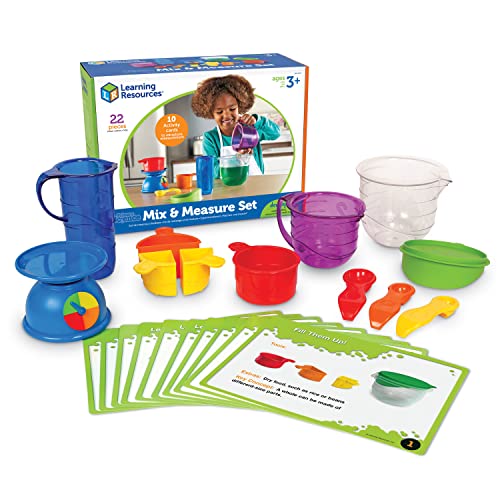
🌈 Science & Sensory Play for 2-Year-Olds
Simple, safe, and fascinating activities that turn everyday moments into learning adventures. Encourage curiosity, fine motor skills, and cognitive growth through playful exploration.
Explore Recommended Toys →👶 Why sensory and science activities? At 2 years old, children are naturally curious about the world. Sensory play — touching, pouring, scooping, and mixing — builds neural connections, supports language development, and helps regulate emotions. Science activities for toddlers are not about complicated formulas; they are about cause and effect, observation, and wonder.
Sensory Bins: The Foundation of Playful Learning
Sensory bins are a staple for developmentally appropriate toys for 2-year-olds. They offer open-ended exploration that engages multiple senses. Fill a shallow container with rice, pasta, or water beads, and add scoops, cups, and small toys. This simple setup encourages fine motor skills, vocabulary building (pour, scoop, empty), and early math concepts like more/less and full/empty.
🌾 Rainbow Rice Bin
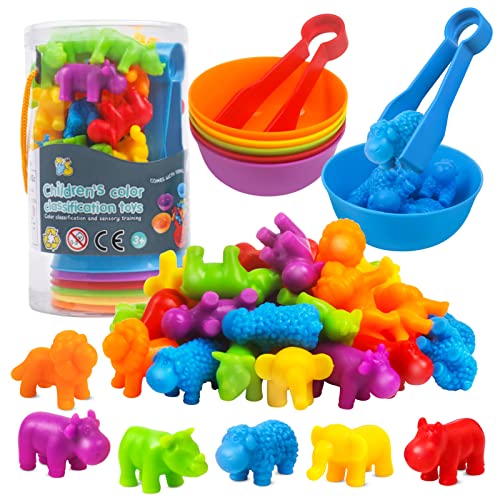
Color rice with food coloring and vinegar, then let it dry. Add funnels, spoons, and small animal figures. This activity is visually stimulating and perfect for practicing pouring and scooping.
💧 Water Play Station
Fill a low tub with water and add cups, strainers, and floating toys. Add a few drops of food coloring or bath drops for extra fun. Water play is calming and teaches early science concepts like sinking and floating.
Simple Science Experiments for Toddlers
Science at age 2 is about observation and reaction. These experiments are safe, easy to set up, and will amaze your little one. They also build the foundation for critical thinking and questioning.
🧪 Baking Soda & Vinegar Fizz
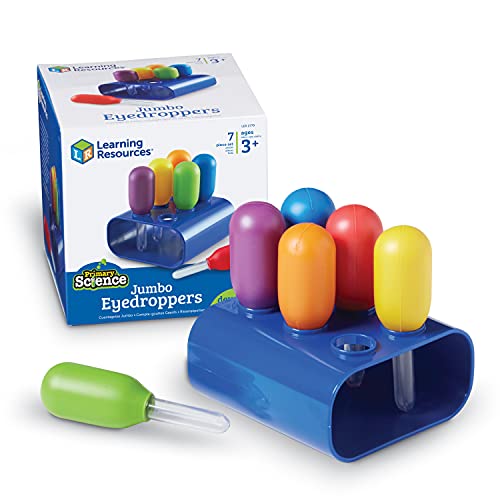
Place a tray with a layer of baking soda. Give your toddler a dropper or small cup of vinegar mixed with a drop of food coloring. Watch their eyes light up as they create colorful fizzing reactions. This classic experiment teaches cause and effect in a very tangible way.
Pro tip: Add small plastic toys or dinosaurs to the tray and let your child "excavate" them with the fizzing mixture.
🧊 Ice Melting Exploration
Freeze small toys or flowers in an ice cube tray. Give your toddler warm water in a squirt bottle or a small bowl and let them "rescue" the treasures. This activity introduces the concept of temperature and melting, and is great for building patience and focus.
Building Fine Motor Skills Through Sensory Play
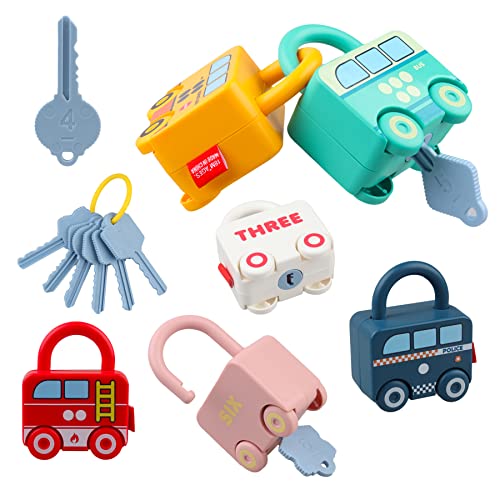
Many sensory activities naturally develop fine motor control. For more targeted practice, consider fine motor toys for 2-year-olds that complement these activities. The combination of structured play and free exploration is ideal for this age.
🧵 Pipe Cleaner & Colander
Turn a colander upside down and let your child push pipe cleaners through the holes. This simple activity builds hand-eye coordination and pincer grip, essential for later writing skills.
🍚 Scooping & Transferring
Set up two bowls — one filled with dried beans or large pasta, and one empty. Give your toddler a spoon or scoop and let them transfer the contents back and forth. This strengthens hand muscles and introduces early math concepts.
✨ Mess-Free Sensory Play
For days when you want less cleanup, try these:
- Sensory bags: Fill a zip-lock bag with hair gel, glitter, and small beads. Seal tightly and let your toddler squish and move the objects around.
- Playdough & tools: Offer unscented playdough with plastic knives, rollers, and cookie cutters. This strengthens hand muscles and encourages creativity.
- Touchy-feely boards: Glue different textures (felt, sandpaper, cotton balls) onto a cardboard piece and let your toddler explore.
Science + Art = Fun & Learning
Art and science go hand in hand at this age. Developmentally appropriate toys for 3-year-olds often include these concepts, but you can start now. Simple activities like mixing colors, painting with natural materials, or making salt dough sculptures are both artistic and scientific.
🎨 Color Mixing Experiment: Fill three clear cups with water. Add red, yellow, and blue food coloring. Give your toddler empty cups and droppers, and let them mix colors to create new ones. This is a magical introduction to primary and secondary colors.
Why Sensory & Science Activities Matter
Engaging in these activities with your 2-year-old supports:
- Cognitive development: Problem-solving, cause-and-effect, and early scientific thinking.
- Language skills: Introducing new vocabulary (scoop, pour, fizz, melt, squish).
- Fine & gross motor skills: Strengthening hand muscles and coordination.
- Social-emotional growth: Building focus, patience, and a sense of accomplishment.
Remember, the goal is not to teach "science" but to foster curiosity and a love for exploration. Your 2-year-old is a natural scientist — every moment is an experiment!
Ready to Play and Learn?
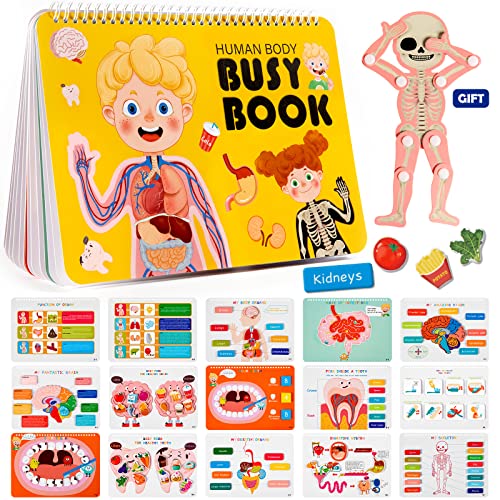
Explore our curated selection of toys that support sensory and science play for 2-year-olds. All products are chosen to be safe, engaging, and developmentally appropriate.
Shop Sensory & Science Toys