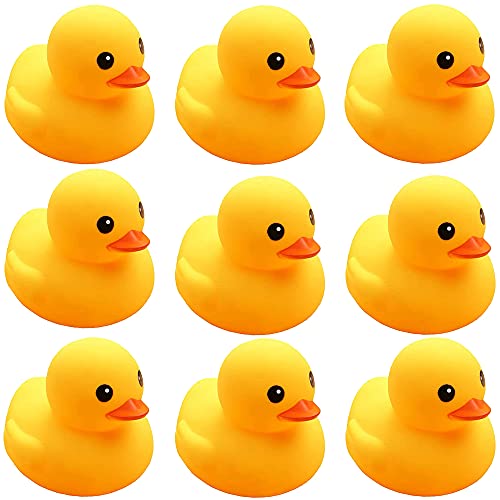
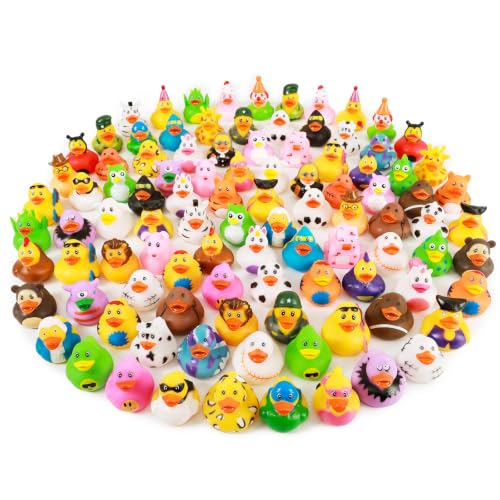
🐤 The Ultimate Rubber Duck Guide
From classic bath-time companions to collector’s items – learn everything about the iconic rubber duck.
Shop Rubber Ducks🧼 What is a rubber duck? A rubber duck is a small, hollow toy duck made of rubber or vinyl, most commonly used during bath time. Its buoyant, squeaky design has made it a beloved companion for children and adults alike. Beyond the tub, rubber ducks have become cultural icons, collectibles, and even symbols of childhood nostalgia.
📜 History of the Rubber Duck
The rubber duck as we know it was first developed in the late 1800s, but its modern squeaky form emerged in the 1940s when sculptor Peter Ganine patented a floating duck toy. Over the decades, the rubber duck has evolved from a simple bath accessory to a global phenomenon, with millions sold each year. In 2013, a giant rubber duck by artist Florentijn Hofman toured the world, cementing the duck’s place in pop culture.
Today, rubber ducks are not only for bath time – they’re used for sensory play, water play activities, and even as collectible items. Their simple design and cheerful appearance make them a timeless favorite.
🌟 Why Rubber Ducks Are Great for Kids
🛁 Bath Time Fun
Rubber ducks turn bath time into an adventure. They encourage imaginative play, help reduce bath-time anxiety, and make washing fun.
🧠 Sensory Development
Squeezing, floating, and splashing with a rubber duck stimulates tactile and visual senses, supporting fine motor skills and hand-eye coordination.
🎨 Endless Creativity
Beyond the bath, rubber ducks can be used in play ideas, storytelling, and even science experiments about buoyancy and water displacement.
💛 Collectible & Gift
From themed ducks to limited editions, collecting rubber ducks is a hobby for all ages. They also make cute, affordable birthday gifts or party favors.
🔍 How to Choose a Safe Rubber Duck
Not all rubber ducks are created equal. When choosing a duck for your child, consider these safety and quality factors:
- Material: Look for BPA-free, phthalate-free, and non-toxic vinyl or rubber. Avoid ducks with a strong chemical smell.
- No holes or gaps: Ducks with holes can trap water and grow mold inside. Choose sealed, solid ducks or those with a one-way squeaker.
- Size & shape: Ensure the duck is large enough not to be a choking hazard (for children under 3, the duck should be larger than 1.25 inches in diameter).
- Easy to clean: Opt for ducks that are easy to wipe down or dishwasher-safe to prevent bacterial buildup.
- Age recommendation: Always check the packaging for age-appropriate guidance. For infants, choose soft, lightweight ducks.
For more general toy safety tips, visit our toy safety guide and age-appropriate toys page.
🎈 Creative Play Ideas with Rubber Ducks
A rubber duck is more than a bath toy – it’s a versatile prop for learning and fun. Try these activities:
- Duck Races: Use a straw to blow your duck across the water – a fun way to practice breath control and cause-and-effect.
- Sink or Float: Experiment with different objects (including the duck) to teach basic physics concepts.
- Storytelling: Create a story about a duck’s adventure – great for language development and imaginative play.
- Counting & Colors: Use a set of colorful ducks to practice counting, sorting, and color recognition.
- Obstacle Course: Set up a water obstacle course for the duck to navigate – perfect for backyard play or indoor play on rainy days.
For even more activity inspiration, explore our play ideas and sensory bin ideas sections.
🦆 Rubber Ducks for Collectors
Rubber ducks aren’t just for kids – they’re a serious collector’s item. From artist collaborations to charity ducks, there’s a duck for every theme. Some rare ducks sell for hundreds of dollars. If you’re starting a collection, look for limited editions, holiday themes, or ducks that represent professions or pop culture.
Collecting ducks can be a fun hobby for adults and a great way to introduce children to the joy of collecting. They also make unique toys under $25 and thoughtful gifts for teens who enjoy quirky items.
🧼 How to Clean and Care for Rubber Ducks
To keep your rubber duck in top condition and free from mold:
- After each use: Squeeze out any water trapped inside, then wipe dry with a clean towel.
- Deep clean: Wash with warm soapy water and a soft brush. For sealed ducks, you can also use a 1:1 vinegar and water solution to disinfect.
- Air dry: Allow the duck to fully air-dry before storing to prevent mildew.
- Replace if needed: If you notice mold inside (dark spots or an unpleasant smell), it’s time to replace the duck.
For more toy care advice, see our toy longevity tips.