Understanding Your 3-4 Year Old's Developmental Stage
Before selecting a riding toy, it helps to understand what your child is physically and cognitively capable of at ages three and four. Children in this age band are typically transitioning from toddlerhood into the preschool years. Their legs are getting stronger, their balance is improving, but their coordination is still developing.
At this stage, most children can:
- Walk, run, and climb with confidence
- Pedal a tricycle with some practice (though steering may still be tricky)
- Understand basic safety instructions like "stop" and "slow down"
- Follow simple rules during supervised play
This means the ideal riding toy should challenge their emerging skills without overwhelming them. A toy that's too complex or too fast can lead to frustration or safety risks. A toy that's too simple may be abandoned quickly.
Key Types of Riding Toys for 3-4 Year Olds
There are several categories of riding toys, each with distinct benefits and considerations. Understanding these categories will help you make a confident choice.
1. Balance Bikes
Balance bikes are pedal-free, foot-powered cycles that teach children the core skill of balancing before they ever need to think about pedaling. For 3-4 year olds, they are widely regarded by child development experts as an excellent first step into cycling. Most balance bikes designed for this age have adjustable seats and handlebars that grow with your child.
Best for: Children who are ready to learn balance and steering in a low-risk, confidence-building way. Pair this with our guide to riding toys for 3 year olds for more age-specific insights.
2. Tricycles and Pedal Trikes
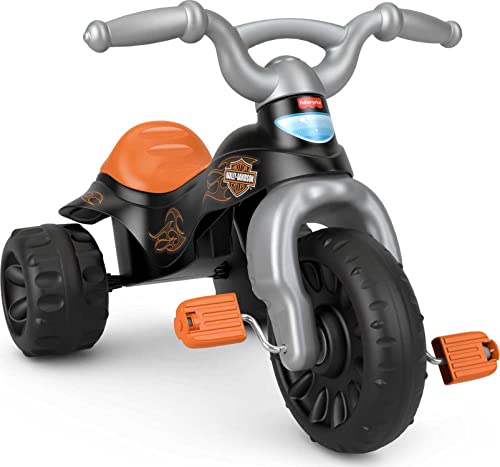
Classic tricycles remain a staple for this age group. The three-wheel design provides stability, and pedaling helps build leg strength and coordination. Many modern trikes come with parental push handles, which are invaluable for longer walks when your child tires.
When choosing a trike, look for models with non-slip pedals, a low center of gravity, and a steering limiter to prevent sharp turns that could tip the toy.
3. Foot-to-Floor Ride-Ons
These are simple vehicles — often shaped like cars, animals, or trucks — that children propel by pushing with their feet. They are the entry-level tier of ride-on toys, perfect for indoor or driveway play. They're especially popular for children who are not yet ready for pedals.
For a broader selection of this category, explore our ride on toys for 3 year olds collection.
4. Electric Ride-On Cars with Parental Remote
Battery-powered ride-on cars are a favorite among this age group, and for good reason. Modern models designed for 3-4 year olds come with critical safety features like parental remote control, low-speed settings, and seat belts. The parental remote allows you to override your child's steering and speed, making it a supervised and controlled experience.
If you're considering an electric ride-on, our detailed guide to ride on car with parental remote control covers everything from safety to features.
5. Rocking Riders and Plush Ride-Ons
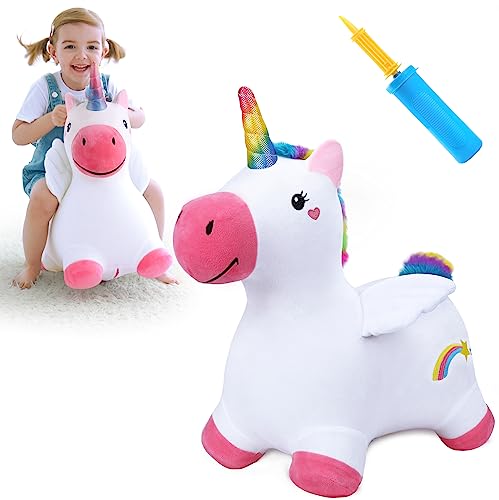
For indoor play, rocking horses and plush-covered ride-on animals provide a gentle, soothing riding experience. They help develop core strength and balance in a calm, controlled environment. These are ideal for children who may be hesitant about faster outdoor toys.
Safety First: What Every Parent Must Check
Safety is non-negotiable when it comes to riding toys. Here's a checklist to run through before any purchase:
- Age and weight limits: Always follow the manufacturer's recommendations. A toy rated for ages 3+ may still be too large or too fast for a smaller 3-year-old.
- Stability: The toy should have a wide wheelbase and a low center of gravity to prevent tipping.
- Steering and braking: For pedal toys, ensure the brakes are easy for a child to operate. For electric toys, a parental remote with an emergency stop is essential.
- Helmet use: Even on a balance bike or tricycle, a properly fitted helmet is strongly recommended. Lead by example and make it a non-negotiable part of the ride.
- Supervision: No riding toy replaces adult supervision, especially near driveways, roads, or water.
For more on general toy safety, see our toy safety guide.
How to Choose: A Tier-Based Framework
Instead of focusing on numbers, we recommend evaluating riding toys by their position in the market and their feature set. The table below outlines how different tiers typically differ in construction and capability.
| Tier | Typical Characteristics | Best For |
|---|---|---|
| Entry-Level | Simple construction, basic materials, limited features | First-time riders, indoor or light outdoor use, families testing the waters |
| Mid-Range | Durable construction, adjustable features, better wheels and steering | Regular outdoor use, growing children who need a toy that lasts |
| Premium | High-grade materials, advanced safety features, realistic details, longer warranty | Families who want a long-term investment and the best possible experience |
| Luxury / Top-Tier | Flagship features like parental remote, multi-speed settings, premium upholstery, and commercial-grade durability | Maximum safety and realism, families with multiple children who will share the toy |
When comparing, consider that mid-range models often offer the best balance of durability and features for most families. Premium and luxury tiers are worthwhile investments if you plan to keep the toy for multiple children or want the highest safety standards.
Top Recommendations by Category
Below is a curated selection of riding toy categories with guidance on what to look for in each. For detailed reviews and live availability, explore the product section further down the page.
Best Balance Bikes for 3-4 Year Olds
Look for lightweight frames (often wooden or aluminum), adjustable seats with a low minimum height, and pneumatic or foam tires that absorb bumps. A steering limiter is a helpful safety feature for beginners.
Best Tricycles and Pedal Trikes
Prioritize models with a parental push handle, a harness or seat belt for younger threes, and a durable steel or heavy-duty plastic frame. Rubber tires provide a smoother ride than plastic wheels.
Best Electric Ride-Ons with Remote Control
For this age group, a parental remote is essential. Look for models with a 12V or 6V battery (12V offers more power for outdoor terrain), a maximum speed that can be limited to a walking pace, and a seat belt. Our guide to ride on electric cars for 3 year olds dives deeper into these features.
Best Foot-to-Floor and Push Ride-Ons
These should have a low seat height so children can easily mount and dismount, smooth-rolling wheels for indoor floors, and a sturdy build that won't tip when a child leans forward.
Maintenance and Longevity Tips
A riding toy is an investment, and with proper care, it can last for years and be passed down to younger siblings. Here are a few practical tips:
- Store indoors: UV rays and rain degrade plastic and metal. When not in use, store the toy in a garage or shed.
- Check hardware regularly: Tighten bolts and screws on pedal toys and balance bikes every few weeks.
- Clean and lubricate: Wipe down the frame and use a silicone-based lubricant on moving parts like wheel axles and steering columns.
- Charge batteries properly: For electric toys, follow the manufacturer's charging instructions and avoid leaving the battery fully depleted for long periods.
For more maintenance guidance, see our toy longevity tips.