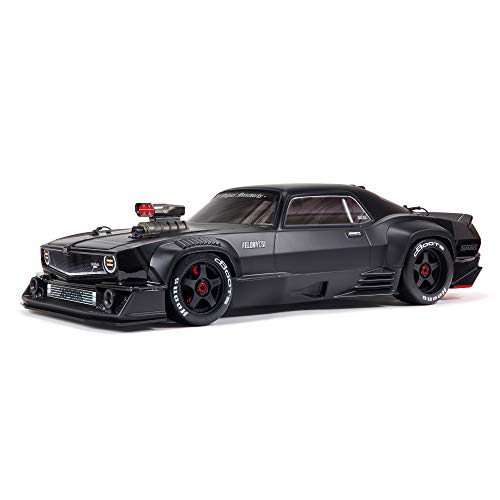
Ready to Run RTR Nitro RC Cars: Complete Guide
Everything you need to know about ready-to-run nitro RC cars — from engine break-in and fuel handling to tuning tips and choosing the right model for your experience level.
Why RTR nitro RC cars appeal to hobbyists: Nitro-powered RC cars deliver the sound, smell, and raw mechanical engagement that electric models cannot replicate. Ready-to-run packages remove the assembly barrier, letting you experience genuine combustion-engine RC performance with minimal setup. This guide explains how RTR nitro cars work, what separates quality tiers, and how to get the most from your first or next nitro machine.
What Makes an RTR Nitro RC Car Truly Ready to Run?
An RTR nitro RC car arrives with the engine factory-installed, the radio system bound and tested, servos centered, and most accessories in the box. You typically need to add nitro fuel, a glow igniter, and AA batteries for the transmitter and receiver. The key difference between a genuine RTR and a "almost ready to run" kit lies in the factory assembly quality — pre-tuned carburetor settings, thread-locked screws, and pre-set gear mesh save hours of bench time and reduce the chance of a first-run failure.
Quality RTR packages include a pull-start or roto-start system, a tuned pipe, and a fail-safe receiver. Entry-level RTR cars often ship with basic stick radios, while mid-range and premium tiers include multi-channel digital transmitters with endpoint adjustment and model memory. Understanding these inclusions helps you judge whether a particular RTR is genuinely turn-key or requires additional purchases before the first run.
How Nitro RC Engines Work
Nitro RC engines are single-cylinder, two-stroke internal combustion engines that run on a blend of nitromethane, methanol, and lubricating oil. The glow plug ignites the fuel-air mixture without a spark, relying on a platinum coil that stays hot during operation. A carburetor mixes fuel and air, and needle valves control the ratio — the high-speed needle governs full-throttle mixture, while the low-speed needle affects idle and transition.
Understanding this system matters because most first-run problems trace back to needle settings. A rich mixture (more fuel) protects the engine during break-in; a lean mixture (less fuel) produces more power but risks overheating. RTR cars ship with conservative factory settings, and the owner's first task is verifying those settings before the initial start.
Engine Break-In: The Most Critical Step
Break-in allows the piston and cylinder sleeve to wear into a proper fit. Skipping or rushing this process shortens engine life dramatically. The standard procedure involves three to five tanks of fuel run at idle and low throttle with the high-speed needle set rich — often one to two turns out from the factory baseline. Vary the throttle gently during later tanks and avoid sustained full-throttle runs until break-in completes.
Temperature monitoring is essential. An infrared thermometer aimed at the cylinder head should read within the manufacturer's specified range during break-in. If the engine runs too hot, richen the high-speed needle. After break-in, a proper tune produces a crisp exhaust note, clean acceleration, and stable idle. Many hobbyists document their needle positions from the factory setting so they can return to a safe baseline if tuning goes wrong.
Pre-First-Run Checklist for RTR Nitro Cars
- Charge the transmitter and receiver batteries fully
- Check all screws and nuts for tightness after shipping
- Verify the air filter is oiled and seated properly
- Confirm the fuel tank lines are connected and not pinched
- Set the transmitter throttle trim to neutral before starting
- Test the fail-safe by switching off the transmitter
- Fill the tank with the correct nitro percentage fuel
- Prime the engine and confirm fuel reaches the carburetor
Fuel Systems and Nitro Percentages
Nitro fuel comes in percentages — commonly 10%, 20%, and 25% nitromethane. Higher percentages deliver more power but increase engine temperature and wear. Most RTR manufacturers specify a recommended percentage in the manual, and staying within that range protects the engine and warranty. Fuel also contains lubricating oil; some blends carry more oil for break-in and general running, while race blends reduce oil for maximum power.
Fuel storage matters as much as fuel choice. Nitro fuel absorbs moisture from the air, and contaminated fuel causes erratic tuning and corrosion. Keep containers sealed, store them away from direct sunlight, and avoid leaving fuel in the tank between sessions. After each run, run the engine dry or use after-run oil to prevent rust inside the engine.
Choosing the Right Tier for Your Experience
RTR nitro RC cars span several market tiers. The table below outlines what each tier typically delivers so you can match a model to your goals and experience level. Descriptors reflect relative market positioning rather than absolute figures.
| Tier | Best For | Typical Characteristics |
|---|---|---|
| Entry-level | First-time nitro owners, casual backyard running | Basic 2-channel radio, pull-start engine, simplified chassis, limited adjustability, good value for its tier |
| Mid-range | Hobbyists who want durability and tuning options | Digital transmitter with endpoints, roto-start, oil-filled shocks, reinforced drivetrain, balanced tier performance |
| Premium | Enthusiasts planning regular track or bash sessions | High-grade engine with tunable carb, sealed differentials, aluminum chassis components, feature-rich for its class |
| Professional-grade | Competition-focused drivers | Race-spec engine, full adjustability, lightweight materials, top-tier components, designed for sustained high-performance use |
Beginners generally do well with entry-level or mid-range models. The learning curve centers on fuel handling, break-in, and needle tuning — skills that transfer regardless of tier. Upgrading later usually means a new engine or radio rather than a full car replacement, so choosing a platform with parts availability matters as much as the initial specification.
Key Features to Evaluate in an RTR Nitro RC Car
Engine Displacement
Common sizes range from .18 to .28 cubic inches. Smaller engines suit smaller tracks and beginners; larger engines deliver more torque and top speed but demand more fuel and tuning attention.
Start System
Pull-start is simple and self-contained; roto-start uses a handheld motor for easier cold starts. Mid-range and premium tiers often include roto-start or a combination system.
Radio and Electronics
A digital 2.4 GHz transmitter with endpoint adjustment and fail-safe is standard on quality RTR cars. Basic 27 MHz systems belong to older or entry-level packages.
Drivetrain and Suspension
Shaft-driven 4WD with oil-filled shocks handles mixed surfaces well. Look for sealed differentials and metal gear internals in mid-range and above.
Parts Availability
A widely supported platform means replacement parts and upgrades remain available. Popular name brands and large-scale distributors are safer long-term choices.
Tuned Pipe and Filter
The tuned pipe affects power delivery and sound; a quality air filter protects the engine. Both are consumables that should be easy to source.
Tuning and Maintenance After Break-In
Once break-in completes, tuning becomes an ongoing practice. Adjust the high-speed needle first for top-end performance, then the low-speed needle for idle and off-throttle transition. Small increments — one-eighth turn at a time — prevent overshooting. Air temperature and humidity affect mixture, so a tune that works on a cool morning may run lean by afternoon. Re-check temperature and exhaust note after any significant weather change.
Maintenance extends engine and chassis life. Clean the air filter after every few runs, inspect fuel lines for cracks, and check the clutch and brake linkages for wear. After-run oil protects the engine internals during storage. Batteries in the transmitter and receiver should be removed if the car sits for extended periods. A simple maintenance log — recording needle positions, fuel used, and run conditions — makes troubleshooting far easier.
Safety and Responsible Operation
Nitro RC cars involve flammable fuel, hot engine components, and high-speed moving parts. Operate in open areas away from people, pets, and dry vegetation. Never refuel a hot engine, and store fuel in approved containers away from ignition sources. Keep hands clear of the drivetrain while the engine runs, and use a failsafe to bring the car to a stop if radio signal is lost. Young drivers should be supervised, and hearing protection is worth considering during extended sessions. These practices are standard in the hobby and protect both the operator and bystanders.
Ready to Explore RTR Nitro RC Cars?
Browse recommended models across experience tiers and find the setup that matches your goals.
View Top Picks BelowFrequently Asked Questions
What does ready to run mean for nitro RC cars?
Ready to run means the car arrives fully assembled with the engine installed, electronics connected, and most accessories included. You add fuel, a glow igniter, and batteries to start driving — no kit assembly required.
How long does engine break-in take on an RTR nitro RC car?
Break-in typically requires three to five tanks of fuel run at idle and low throttle with rich needle settings. This lets the piston and sleeve seat properly before performance tuning begins.
Can beginners handle RTR nitro RC cars?
Yes. RTR nitro cars are designed for newcomers. The main learning curve involves fuel handling, engine break-in, and needle tuning. Following the manual and practicing in open areas makes the process manageable.
What nitro fuel percentage should I use?
Follow the manufacturer's recommendation in the manual — commonly 20% for general running. Higher percentages increase power and heat; staying within the specified range protects the engine.
How often should I clean the air filter?
Clean and re-oil the air filter after every few runs, and always after dusty sessions. A clogged filter causes a rich mixture and robs power; a damaged filter lets dirt into the engine.
For hobbyists exploring the wider RC landscape, related guides on remote control cars for adults and second-hand nitro RC cars offer useful context. Those interested in other fuel-powered models may enjoy the gas-powered remote control boat overview.