
Push Ride-On Toys for 1 Year Olds: The Complete Parent Guide
Everything you need to know before choosing your toddler's first ride-on toy. From safety features and developmental benefits to the best models for every family, this guide helps you make a confident, informed decision.
Explore Top PicksWhy push ride-on toys matter at this age: Between 12 and 24 months, your child is transitioning from crawling to walking and exploring the world with newfound independence. A push ride-on toy is more than just a fun object — it is a developmental tool that builds core strength, coordination, balance, and spatial awareness. For parents researching before a purchase, the key is understanding which features genuinely support this stage of growth and which are simply decorative. This guide cuts through the noise with practical, expert-backed guidance.
What to Look For in a Push Ride-On Toy for a 1-Year-Old
A one-year-old has very specific physical and cognitive needs. The ideal push ride-on toy should match those needs without overwhelming or under-challenging the child. Here are the non-negotiable features to evaluate before you commit.
Stability & Wheelbase
A wide wheelbase and low center of gravity are essential. A stable base prevents tipping when your toddler shifts weight or climbs on and off. Look for four-wheel designs with a broad footprint rather than narrow three-wheel configurations for this age group.
Parent Push Handle
At 12 to 24 months, most children cannot yet propel themselves. A height-adjustable parent handle lets you steer and control speed while your child enjoys the ride. Removable handles extend the toy's useful life as your child gains independence.
Safety Harness & Backrest
A three-point harness or a high, contoured backrest keeps your child securely seated. This is especially important for younger toddlers who may not yet have the core strength to stay upright on a moving toy without support.
Non-Toxic, Durable Materials
Since toddlers explore with their mouths, choose BPA-free plastic or water-based painted wood. Durable construction with rounded edges and no small detachable parts ensures the toy holds up to daily use and complies with safety standards.
Wheel Type & Surface Use
Quiet-roll wheels with rubber treads are ideal for indoor floors and smooth outdoor paths. Larger, textured wheels suit gravel or grass but may be harder for a toddler to maneuver. Match the wheel type to your primary use environment.
Developmental Extras
Interactive elements like a honking horn, moving parts, or storage compartments add engagement but are secondary. Prioritize core safety and stability first; fun features are a bonus that can extend play value.
Developmental Benefits of Push Ride-On Toys
Pediatric occupational therapists and child development specialists consistently highlight ride-on toys as valuable tools for the toddler stage. Here is what they contribute to your child's growth.
- Gross motor strength: Pushing, steering, and balancing engage the large muscle groups in the legs, core, and arms, building the strength needed for walking, running, and climbing.
- Balance and coordination: Sitting on a moving object requires the child to continuously adjust their posture, training the vestibular system and proprioception.
- Cause-and-effect understanding: Turning a handle or pushing a button to hear a sound or move a part teaches the child that their actions produce results — a fundamental cognitive milestone.
- Spatial awareness: Navigating around furniture, doorways, and outdoor obstacles helps the child develop an understanding of their body in relation to the environment.
- Independence and confidence: Mastering a ride-on toy gives a toddler a sense of autonomy and achievement that supports emotional development and self-esteem.
Comparing Push Ride-On Toy Tiers
Push ride-on toys fall into distinct tiers based on construction quality, feature set, and intended lifespan. This table helps you identify which tier aligns with your family's needs and usage patterns.
| Tier | Best For | Key Characteristics |
|---|---|---|
| Essential Tier | First-time buyers seeking a straightforward, safe introduction | Simple design, basic push handle, three-point harness, lightweight plastic construction, indoor-focused use |
| Balanced Tier | Families wanting versatility for both indoor and outdoor use | Removable push handle, adjustable seat, durable wheels for mixed surfaces, added interactive features, solid build |
| Premium Tier | Parents seeking a long-term investment with superior materials | High-grade plastic or hardwood construction, precision steering, multi-stage convertible design (ride-on to walker), premium safety harness, weather-resistant finish |
| Top-Tier / Flagship | Discerning buyers wanting the best-in-class for daily, long-term use | Professional-grade engineering, luxury finishes, advanced safety systems, convertible multi-mode functionality, exceptional durability for multi-child use |
Safety Guidelines for Push Ride-On Toys
Even the safest toy requires proper supervision and usage. Follow these guidelines to minimize risk and maximize enjoyment.
Always Supervise
Never leave a 1-year-old unattended on a ride-on toy, even for a moment. Stay within arm's reach and be ready to stabilize the toy if needed.
Use on Safe Surfaces
Flat, smooth surfaces without stairs, slopes, or sharp drop-offs are ideal. Avoid driveways, poolsides, and uneven terrain for children under 2.
Check Assembly & Wear
Regularly inspect screws, wheels, and harness straps for looseness or damage. A loose wheel or frayed strap can compromise safety.
Respect Age Labels
Age recommendations on packaging are based on safety testing and developmental benchmarks. Do not introduce a toy before the labeled minimum age.
How to Choose the Right Model for Your Toddler
With dozens of options on the market, narrowing down the choice can feel overwhelming. Use these three questions to guide your decision.
- Where will it be used most? If primarily indoors, prioritize quiet-roll wheels and a compact frame. For outdoor use, look for weather-resistant materials and treaded wheels. For families who want both, a balanced-tier model with swappable wheels is the practical choice.
- How long do you want it to last? A simple essential-tier model may suit a single child for one year. A premium-tier convertible model can serve from 12 months through 3 years or more, potentially across multiple children, making it a worthwhile long-term investment.
- Does your child prefer to ride or push? Some toddlers are eager to walk behind a push toy; others prefer to sit and be pushed. Look for convertible designs that support both modes, or consider a separate push ride-on toy for older toddlers as your child grows.
For parents exploring broader gifting options, our guide to popular gifts for one-year-olds offers a wider view of developmentally appropriate toys beyond ride-ons. If you are shopping for a slightly older sibling or planning ahead, the gift guide for two-year-olds includes ride-on and push toys that bridge the gap between toddler and preschool stages.
Top Push Ride-On Toys for 1-Year-Olds
⚠️ AFFILIATE DISCLOSURE: This website contains affiliate links. As an Amazon Associate, we earn from qualifying purchases. If you make a purchase through these links, we may receive a small commission at no additional cost to you. Read our full affiliate policy.

Step2 Whisper Ride II Kids Push Car, Ride-On with Seat Belt & Horn, Blue | Quick Fold Handle, Built-In Storage, Easy to Assemble & Clean, Durable, Compact, Stroller Alternative, Ages 18-48 Months
Check price on Amazon
VEVOR Ride on Push Car for Toddlers, Ages 1-3, Ride on Toy for Boys Girls
Check price on Amazon
Kiddieland Toys Limited Minnie Dancing Ride On, Multicolor | Interactive toy with lights, music & sounds; steering wheel with horn for kids' driving fun, sturdy & durable construction
Check price on Amazon
Best Ride On Cars CAT Excavator Push Car – Licensed Caterpillar Ride-On Digger Toy for Kids with Rotating Bucket & Under-Seat Storage – Construction Vehicle for Toddlers
Check price on Amazon
Kiddieland Disney Minnie Mouse Lights & Sounds Ride-On Push Toy Car | Foot-to-Floor Toddler Scooter for Ages 12-36 Months, Interactive Dashboard, Sturdy Support for Up to 55 lb
Check price on Amazon
John Deere Ride On Toys Sit 'N Scoot Activity Tractor for Kids Ages 18 Months and Up, Green
Check price on Amazon
Best Ride On Cars Mercedes G-Wagon Push Car Pink - Lights & Horn - Ages 1-3 | Plastic Construction, 25 x 12 x 12 in, 8 lb Weight, Under Seat Storage, Tall Backrest, Rear Roll Board, 18-36 Months
Check price on Amazon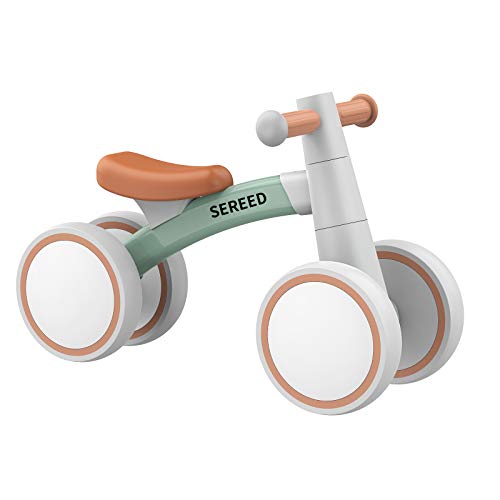
SEREED Baby Balance Bike for 1 Year Old Boy Girl, First Birthday Gift Toy | 12-24 Months Toddler Bike, First Learning Ride on Toys, 4 Silent Wheels Indoor Outdoor Baby Walker, Green
Check price on AmazonReady to Choose Your Toddler's First Ride-On Toy?
You now have the knowledge to make a confident decision. Compare features, check availability, and find the perfect push ride-on toy that will spark joy and support your child's development.
View Top RecommendationsFrequently Asked Questions
What age is appropriate for a push ride-on toy?
Most push ride-on toys are designed for children between 12 and 36 months. For a 1-year-old, look for models specifically labeled for ages 12 months and up, featuring a lower seat height, a parent-controlled push handle, and a secure safety harness or high backrest.
Are push ride-on toys safe for 1-year-olds?
Yes, when chosen and used correctly. Prioritize models with a wide, stable wheelbase, a three-point harness, non-toxic materials, and a parent push handle for control. Always supervise your child and use the toy on flat, smooth surfaces away from stairs and traffic.
What is the difference between a push walker and a ride-on toy?
A push walker is designed to help a toddler practice walking by pushing it from behind while standing. A ride-on toy is designed for the child to sit on and either propel with their feet or be pushed by a parent. Many modern push ride-ons combine both functions, allowing the child to ride or walk behind.
Should I choose a plastic or wooden push ride-on toy?
Plastic models are generally lighter, easier to clean, and often include more interactive features like sounds and lights. Wooden models offer a timeless aesthetic, are typically more durable, and are favored by parents seeking natural, non-toxic materials. Both can be safe and developmentally beneficial; the choice often comes down to your lifestyle and preferences.