Playground Equipment for 4 Year Olds: The Complete Guide to Safe, Joyful Outdoor Play
Everything you need to choose age-appropriate, durable, and developmentally enriching playground equipment for your preschooler — from climbing frames and slides to sandboxes and swing sets.
Explore Top Picks🧸 Why This Guide Matters: At four years old, children are natural climbers, jumpers, and explorers. The right playground equipment channels that energy into healthy physical development while keeping safety front and center. This guide walks you through what to look for, what to avoid, and which equipment types deliver the most play value for preschoolers — so you can make a confident, informed decision.
Why Playground Equipment Matters for 4 Year Olds
Four years old is a remarkable window for physical and cognitive growth. Children at this age are refining their gross motor skills — running, jumping, climbing, and balancing — and playground equipment is one of the most effective tools for supporting that development. Unlike passive entertainment, outdoor play structures invite active engagement, problem-solving, and social interaction.
Research in early childhood development consistently shows that active outdoor play supports coordination, muscle strength, and spatial awareness. It also fosters resilience: when a child figures out how to climb a ladder or navigate a balance beam, they build confidence that carries into other areas of learning. If you're looking for complementary ways to support motor skill growth indoors, our guide to gross motor toys for 4 year olds pairs well with outdoor equipment.
Playground equipment also serves a social function. Preschoolers learn turn-taking, negotiation, and cooperative play when sharing a swing or coordinating a game of "the floor is lava" on a climbing frame. These early social experiences are foundational, and the right equipment design can encourage rather than restrict them.
Best Types of Playground Equipment for 4 Year Olds
Not every playground structure is suited to a four year old. The ideal equipment balances challenge with safety — offering enough physical engagement to be exciting, but not so much height or complexity that it becomes risky. Below are the equipment categories that consistently deliver the best play value for preschoolers.
Low Climbing Frames & Play Structures
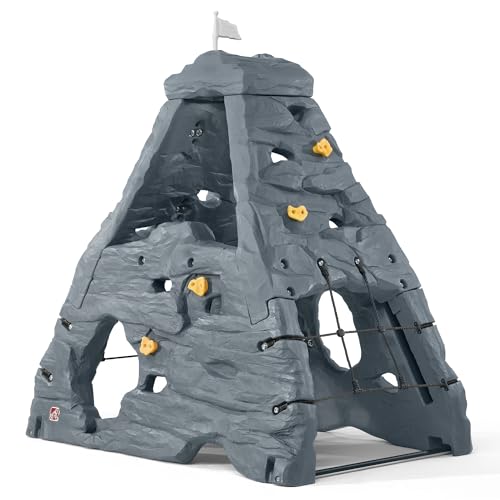
Platform heights up to four feet with wide steps, sturdy handrails, and guardrails on all open sides. These are the backbone of preschool outdoor play, combining climbing, crawling, and imaginative play in one compact footprint.
Small Slides (4-Foot Maximum)
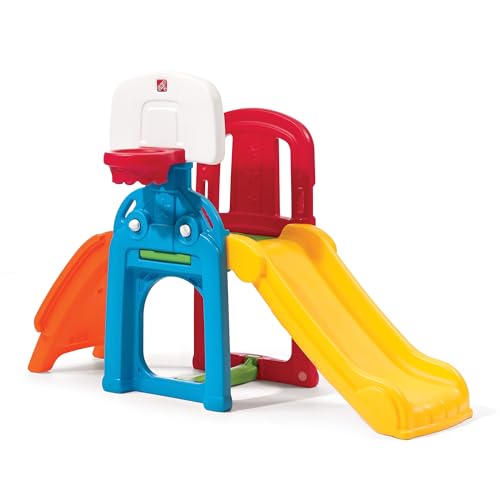
A gentle slide is often the first "thrill" a preschooler masters. Look for slides with high side walls, a stable base, and a runout that ends safely. Plastic slides are lightweight and weather-resistant; metal slides require shaded placement in hot climates.
Sandboxes & Sensory Digging Areas
Sand play supports fine motor development, sensory exploration, and imaginative construction. A covered sandbox with a durable liner and drainage keeps the play area clean and ready season after season.
Simple Swing Sets
Bucket seats or low-back full-bucket swings suit four year olds well, providing the rhythmic motion children crave while keeping them securely seated. Ensure the frame is anchored and the swing zone is clear of obstacles.
Balance Beams & Stepping Stones
Low-to-the-ground balance elements build core stability and coordination without significant fall risk. Textured surfaces improve grip, and modular designs let you rearrange the challenge as skills grow.
Multipurpose Play Sets
All-in-one structures that combine a climber, slide, swing, and playhouse offer long-term engagement. These are a larger investment but tend to stay in use for years as the child's abilities expand.
If you're exploring complementary outdoor options beyond fixed structures, our roundup of fun outdoor toys for 4 year olds and top outdoor toys for 4 year olds covers ride-ons, water play, and active games that work well alongside a playground setup. For families who want to blend indoor and outdoor play, our outdoor play toys for 4 year olds guide offers additional ideas.
Essential Safety Features and Standards
Safety is the single most important consideration when selecting playground equipment for a four year old. Preschoolers are adventurous but still developing coordination and judgment, so the equipment itself must compensate with thoughtful design. Here's what to prioritize.
Height and Fall Protection
The widely accepted guideline for preschool-age equipment is a maximum platform height of four feet. Slides should not exceed this height, and climbing structures should have guardrails or barriers on all open sides above thirty inches. Beneath the equipment, install an impact-absorbing surface — rubber mulch, engineered wood fiber, sand, or pea gravel — at a depth appropriate to the fall height.
Structural Integrity and Anchoring
Look for equipment with reinforced joints, rust-proof finishes, and heavy-duty hardware. All structures should be securely anchored to the ground, either through ground stakes, concrete footings, or weighted bases, depending on the design. A structure that shifts or tips during play is a serious hazard.
Entrapment and Pinch-Point Prevention
Check for gaps that could trap a child's head, fingers, or clothing. Openings should either be smaller than 3.5 inches or larger than 9 inches to avoid entrapment. Moving parts — swing chains, hinges, sliding mechanisms — should be covered or designed to prevent pinching.
⚠️ Safety Certification: Where available, choose equipment that meets ASTM F1148 (home playground equipment) or an equivalent regional safety standard. These certifications indicate the product has been tested for structural integrity, entrapment hazards, and material safety.
Routine maintenance matters too. Regularly inspect for loose bolts, worn swing seats, splintering wood, or cracked plastic. Our toy maintenance guide covers general care principles that apply to outdoor play equipment as well, including cleaning routines and seasonal inspections.
Equipment Comparison by Tier and Best Use
The table below organizes the main playground equipment categories by market tier and ideal use case. Tiers reflect relative positioning within the category — they are not tied to specific figures and remain stable over time.
| Equipment Type | Tier | Best For | Key Consideration |
|---|---|---|---|
| Low Climbing Frame | Starter Tier | First climbing confidence | Guardrails on all open sides |
| Small Slide | Mid-Tier | Thrill-seeking and balance | High side walls; shaded placement |
| Sandbox | Essential Tier | Sensory and fine motor play | Cover and drainage liner |
| Swing Set | Mid-Tier | Rhythmic motion and social play | Anchored frame; clear swing zone |
| Balance Beam Set | Essential Tier | Core stability and coordination | Low height; textured surface |
| Multipurpose Play Set | High-End Tier | Long-term, multi-activity engagement | Modular design; expandable |
| Playhouse / Cubby | Mid-Tier | Imaginative and role play | Ventilation and safe entry/exit |
| Water Play Table | Essential Tier | Sensory exploration in warm months | Drainage and non-slip base |
When comparing equipment, focus on construction quality and design suitability rather than absolute positioning. A mid-tier climbing frame with thoughtful safety features will serve a four year old better than a high-end tier structure with poor anchoring or unsuitable height.
How to Choose the Right Setup for Your Space
Before committing to a playground structure, take stock of your available outdoor space, the surface beneath it, and how the equipment will fit into your family's daily routine. The following checklist helps you evaluate options systematically.
Space and Placement Checklist
- Measure your yard and account for a clear safety zone of at least six feet around all sides of the equipment.
- Identify the surface beneath: grass is common but compresses over time; consider adding impact-absorbing material.
- Check for overhead hazards such as low branches, power lines, or roof overhangs.
- Position the equipment so it receives some shade during peak afternoon sun.
- Ensure visibility from a window or patio so you can supervise easily.
Developmental Fit Checklist
- Confirm the platform height is no more than four feet for a four year old.
- Check that steps are wide and have a non-slip surface.
- Look for handrails positioned at a preschooler's reach and grip size.
- Verify that all openings meet entrapment safety guidelines.
- Prefer modular or expandable designs that grow with your child.
If you're coordinating a broader outdoor play area, our guides to outdoor toys for 3 to 5 year olds and top outdoor toys for 3 year olds offer complementary recommendations. For families planning ahead, fun outdoor gifts for 5 year olds provides ideas that bridge the preschool-to-school-age transition.
Budget your investment in terms of longevity. A well-constructed mid-tier or high-end tier structure that lasts through multiple children and several years is often a more efficient long-term investment than replacing a starter-tier set every season. Focus on durable construction, weather-resistant coating, and a design that adapts as your child's abilities grow.
Ready to Explore Your Options?
Browse our curated selection of playground equipment suited to four year olds — filtered for safety, durability, and developmental fit.
View Recommended EquipmentFrequently Asked Questions
What type of playground equipment is best for a 4 year old?
Four year olds thrive with low climbing structures, small slides, balance beams, sandboxes, and simple swing sets. Look for equipment with a maximum platform height of about four feet, sturdy handrails, and soft surfacing beneath. Multipurpose play sets that combine climbing, sliding, and imaginative play are especially well-suited to this age.
How high should playground equipment be for a 4 year old?
For preschoolers, the recommended maximum platform height is four feet. Slides should be no taller than that, and climbing structures should have guardrails and barriers on all open sides. Keeping heights modest reduces fall risk while still providing healthy physical challenge.
What safety features should I look for in playground equipment for 4 year olds?
Prioritize equipment with rounded edges, non-slip steps, secure handrails, and no entrapment or pinch points. Check for an ASTM or equivalent safety certification, ensure the structure is anchored securely, and install impact-absorbing surfacing such as rubber mulch, sand, or wood chips beneath the equipment.
How does playground equipment help a 4 year old's development?
Playground equipment supports gross motor development through climbing, swinging, and sliding, which build coordination, balance, and core strength. It also encourages social skills like turn-taking, imaginative role play, and problem-solving as children navigate physical challenges and play together.
Can I set up playground equipment on grass?
Yes, grass is a common surface, but it compresses and loses its shock-absorbing quality over time. For better fall protection, consider adding a layer of engineered wood fiber, rubber mulch, or sand beneath the equipment. Always follow the manufacturer's surfacing recommendations for the specific fall height of the structure.
How often should I inspect playground equipment?
Perform a visual check before each play session, looking for loose hardware, worn parts, or debris. Conduct a more thorough inspection monthly, tightening bolts, checking swing chains, and examining surfaces for splinters or cracks. Seasonal maintenance — such as applying weatherproofing to wood — helps extend the equipment's lifespan.