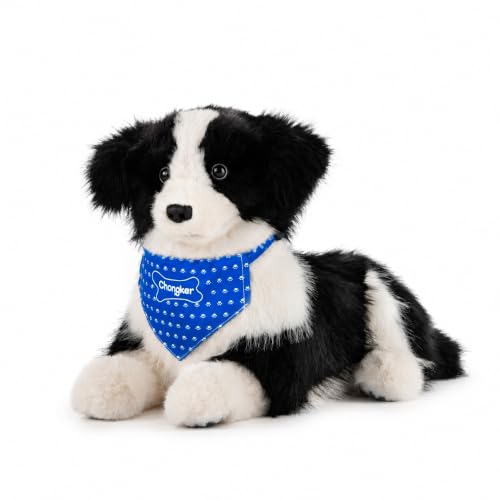
Most Realistic Robot Dog for Adults: The Ultimate Companion Guide
Explore the world of lifelike robotic pets designed for grown-ups. From AI-driven companionship to advanced servo mechanics, discover which realistic robot dog suits your lifestyle and expectations.
Explore Top PicksWhy adults choose realistic robot dogs: A robotic dog offers the joy of pet companionship without the feeding schedules, vet visits, or shedding. Modern high-end models deliver astonishing realism through natural gaits, responsive AI, and soft textured exteriors. Whether you want a tech companion, a conversation starter, or a low-maintenance alternative to a live pet, this guide breaks down what matters most.
What Defines a Realistic Robot Dog?
Realism in a robotic dog goes far beyond a furry exterior. The most convincing models combine several disciplines: biomechanical movement, sensory responsiveness, and expressive behavior. Adults considering a companion robot should evaluate these core dimensions before choosing a model.
Lifelike Movement
Premium models use multi-axis servo motors to replicate natural walking, sitting, and tail-wagging. The smoothest gaits come from high-end tier systems with advanced motion controllers.
AI Responsiveness
Voice recognition, facial tracking, and gesture response separate top-tier robot dogs from simple remote-controlled toys. Mid-range models now include basic voice command recognition.
Exterior Realism
High-grade synthetic fur, realistic eyes, and textured paws create a convincing tactile experience. Luxury tier models often feature hand-finished detailing.
Behavioral Depth
Advanced models exhibit mood states, learn routines, and respond differently to familiar faces. This emotional simulation is the hallmark of professional-grade companion robots.
Key Features Adults Should Prioritize
When researching the most realistic robot dog for adults, focus on the features that align with your primary use case. Some buyers want a companion that responds affectionately; others want a showcase piece with cutting-edge robotics. Here is what to weigh:
- Autonomy level: Entry-level models rely on remote control, while mid-range and high-end tiers offer autonomous roaming and self-charging.
- Interaction suite: Voice commands, touch sensors, and facial recognition dramatically increase perceived realism.
- Build quality: Durable construction with reinforced joints matters if the robot will roam on varied surfaces.
- Battery endurance: Longer play sessions and smart docking are features of top-tier models.
- App and firmware support: Regular updates keep AI behaviors fresh and improve responsiveness over time.
Realism Tiers: Entry-Level to Luxury
To make comparison straightforward, we classify realistic robot dogs into three broad tiers. This classification reflects relative market positioning and capability — not any specific figure.
| Tier | Best For | Typical Traits |
|---|---|---|
| Entry-Level | First-time buyers exploring robotic pets | Basic walking and sound response; remote-assisted; simpler exteriors |
| Mid-Range | Adults wanting daily interactive companionship | Voice recognition, autonomous roaming, smoother gait, better fur texture |
| High-End / Luxury | Tech enthusiasts and premium companion seekers | Advanced AI, emotional simulation, premium materials, self-docking, app ecosystem |
Mid-range models typically offer the most balanced experience for most adults — they deliver convincing realism without the complexity of flagship AI systems. If you already collect high-end tech or metal engine model kits for adults, a luxury-tier robot dog makes a natural centerpiece for your collection.
How Realistic Robot Dogs Compare to Live Pets
It is important to set expectations. A robotic dog cannot replace the emotional bond of a live animal, but it excels in several practical areas that matter to busy adults:
- No feeding or vet visits: Maintenance is limited to charging and occasional cleaning.
- Travel-friendly: Easy to store or transport; no pet sitters required.
- Allergy-free: Ideal for adults with pet allergies who still crave companionship.
- Tech engagement: Firmware updates and new behaviors keep the experience evolving.
For adults who appreciate detailed craftsmanship in their collectibles, the realism trend mirrors the precision found in miniature house building kits for adults — both reward attention to detail and patience.
Buying Considerations for Adult Buyers
Before committing to a realistic robot dog, consider the following practical factors:
- Space: Autonomous models need open floor area to roam safely.
- Connectivity: Check Wi-Fi and app compatibility if you want smart-home integration.
- Noise level: High-end servos are quieter; entry-level motors may whir audibly.
- Expandability: Some platforms support add-on sensors or accessory packs.
- Community and support: Brands with active user communities and firmware roadmaps offer better long-term satisfaction.
Realism vs. Collectibility: Choosing Your Focus
Some adults purchase robot dogs primarily as interactive companions, while others view them as collectible tech art. If collectibility is your priority, you may also enjoy luxury stuffed animals and model car kits for adults — categories where craftsmanship and display value matter. A realistic robot dog bridges both worlds: it is a functional companion and a display-worthy piece of modern robotics.
Our Verdict
For most adults, a mid-range realistic robot dog delivers the best balance of lifelike behavior, build quality, and long-term reliability. Entry-level models are a sensible starting point for the curious, while high-end tier models reward enthusiasts who want the most advanced AI companionship available.
Whichever tier you choose, prioritize models with responsive AI, smooth servo movement, and a durable exterior. These three factors most directly determine how realistic the experience feels day to day.
Frequently Asked Questions
What makes a robot dog realistic?
Realism comes from lifelike movement, expressive features, responsive AI behavior, and a natural fur or textured exterior. High-end models use servo-driven joints to mimic natural gaits and can recognize voices and gestures.
Are realistic robot dogs suitable for adults?
Yes. Many adults use them for companionship, as tech showcases, or as low-maintenance alternatives to live pets. They offer interactive engagement without the daily care requirements of a real animal.
Do realistic robot dogs require maintenance?
They require minimal upkeep compared to live pets. This typically includes charging the battery, occasional firmware updates, and keeping sensors clean. Some premium models have modular parts that can be replaced.