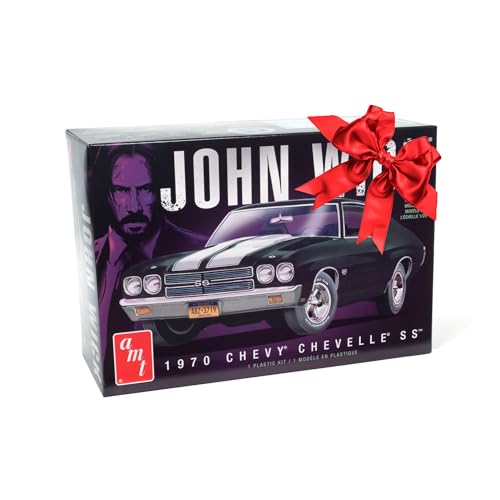
Model Car Kits: The Complete Guide to Building & Collecting Scale Models
Whether you are a first-time builder or a seasoned collector, discover how to choose the perfect model car kit. From entry-level snap-together assemblies to professional-grade display pieces, this guide covers scales, materials, skill levels, and expert building techniques.
Explore the Buying GuideWhy Model Car Kits? Building model cars is a rewarding hobby that combines craftsmanship, patience, and passion for automotive design. Each kit offers a unique opportunity to learn about engineering, develop fine motor skills, and create a stunning display piece. Whether you are drawn to classic muscle cars, modern supercars, or vintage racers, there is a model car kit that matches your interest and skill level.
Understanding the Types of Model Car Kits
Before choosing a kit, it helps to understand the main categories available. Each type offers a different building experience, from quick snap-together projects to intricate multi-step assemblies. The right choice depends on your experience, available time, and display goals.
Plastic Model Car Kits
The most popular category, plastic kits come in two main sub-types: snap-together and glue-together. Snap kits are ideal for entry-level builders and younger hobbyists, requiring no adhesive or paint. Glue-together kits offer greater detail and customization, allowing you to sand, paint, and modify parts for a professional finish.
- Snap-together: no glue, no paint, ready to assemble
- Glue-together: requires cement, paint, and detailing
- Wide range of scales and vehicle types
- Affordable entry point for beginners
Metal Model Car Kits
Metal kits, often made from die-cast or etched metal components, offer a premium tactile experience. These kits typically come pre-painted or with high-quality finishes, making them ideal for collectors who want a display-ready model without extensive finishing work. They are also more durable than plastic alternatives.
- Pre-painted or bare metal options
- Heavy, premium feel
- Excellent for display-focused collectors
- Often feature intricate etched details
Resin & Multimedia Kits
Resin and multimedia kits cater to advanced builders seeking the highest level of detail. These kits often combine resin, photo-etched metal, and white metal parts. They require significant skill, including painting, sanding, and precision assembly, but reward the builder with museum-quality results.
- Highest level of detail and accuracy
- Requires advanced modeling skills
- Limited production runs and rare subjects
- Ideal for serious collectors and competition builders
Die-Cast Model Cars
While not strictly "kits," die-cast model cars are pre-assembled collectibles that appeal to hobbyists who prefer immediate display. Many die-cast models are highly detailed and come in scales ranging from 1:64 to 1:18. Some manufacturers offer assembly-required die-cast kits for a hybrid experience.
- Pre-assembled and ready for display
- Available in many scales and styles
- Durable metal construction
- Great for collectors who prefer no assembly
Choosing the Right Scale for Your Model Car Kit
Scale is one of the most important considerations when selecting a model car kit. It affects the level of detail, the size of the finished model, and the complexity of the build. Here is a breakdown of the most common scales:
| Scale | Typical Length | Best For | Detail Level |
|---|---|---|---|
| 1:64 | ~7 cm | Collectors with limited space, die-cast enthusiasts | Basic to moderate |
| 1:43 | ~10 cm | Collectors who want detail in a compact size | Moderate to high |
| 1:24 / 1:25 | ~18 cm | Beginners and intermediate builders; most popular scale | High |
| 1:16 / 1:12 | ~35–45 cm | Advanced builders seeking maximum detail | Very high |
| 1:8 | ~55 cm+ | Serious collectors and display centerpieces | Exceptional |
Model Car Kits by Skill Level & Market Tier
Model car kits are available across a wide spectrum of complexity and market positioning. Use this guide to match your experience level with the right tier of kit. Remember that moving up a tier typically means more parts, finer detail, and a greater investment of time and craftsmanship.
| Tier | Skill Level | Typical Features | Best For |
|---|---|---|---|
| Starter Tier | Beginner | Snap-together, pre-painted parts, fewer components | First-time builders, younger hobbyists |
| Mid-Tier | Intermediate | Glue required, basic painting, moderate part count | Hobbyists with some experience |
| Premium Tier | Advanced | High part count, detailed engine and interior, photo-etched parts | Experienced builders seeking accuracy |
| Luxury Tier | Expert / Professional | Resin or multimedia, exceptional detail, limited production | Serious collectors and competition modelers |
For those interested in the most intricate metal assemblies, metal engine model kits for adults offer a fascinating crossover between automotive modeling and mechanical engineering. If you are looking for the broadest selection of automotive kits, explore our full range of model car kits for adults.
What to Look for in a Model Car Kit
Quality of Molding & Parts
Inspect the quality of the plastic or metal parts. High-quality kits feature crisp molding with minimal flash (excess material) and precise fit. Premium kits often include photo-etched metal details, clear lenses, and realistic rubber tires.
- Look for sharp, clean mold lines
- Check for included decals and detail parts
- Prefer kits with clear instructions
Instruction Clarity
Good instructions are essential, especially for beginners. Look for kits with clear, step-by-step diagrams and logical assembly sequences. Some premium kits include color callouts and detailed painting guides.
- Step-by-step diagrams
- Paint and color references
- Exploded views for complex assemblies
Availability of Aftermarket Parts
For advanced builders, consider whether aftermarket detail sets are available for your chosen kit. These can include photo-etched parts, resin upgrades, and custom decals that elevate the finished model.
- Photo-etched detail sets
- Resin conversion parts
- Custom decal sheets
Vehicle Subject & Accuracy
Choose a vehicle that interests you. Whether it is a classic muscle car, a modern supercar, or a vintage racer, passion for the subject keeps motivation high during long builds. Check reviews for accuracy of proportions and details.
- Select a subject you love
- Research accuracy before committing
- Consider the finished display size
Essential Tips for Building Model Car Kits
Building a model car kit is a rewarding process, but it requires patience and the right techniques. These tips will help you achieve a clean, professional finish whether you are working on a starter kit or a professional-grade assembly.
- Work in a well-lit, ventilated space. Good lighting is crucial for seeing small details, and ventilation is important when using adhesives and paints.
- Read the instructions fully before starting. Familiarize yourself with the assembly sequence and identify all parts before applying glue or paint.
- Test-fit parts before gluing. Dry-fit components to ensure proper alignment and identify any adjustments needed before committing to adhesive.
- Use the right tools. A hobby knife, sanding sticks, tweezers, and quality cement are essential. For advanced kits, consider a photo-etched part bender and precision sprue cutters.
- Paint in thin, light coats. Whether using spray or brush, apply multiple thin layers rather than one heavy coat to avoid drips and uneven finishes.
- Apply decals with care. Use decal setting solution to help decals conform to curved surfaces and reduce silvering. Allow adequate drying time between layers.
- Display your finished model properly. Use a dust cover or display case to protect your model from dust and UV damage. Avoid direct sunlight, which can fade paint and decals over time.
If you are exploring the broader world of scale modeling, our guides on model kits for adults and model car building kits for adults provide additional context on techniques, tools, and subject selection. For those interested in miniature architecture alongside automotive subjects, miniature house building kits for adults share many of the same skills and satisfaction.
Displaying & Caring for Your Model Car Collection
Display Options
Proper display protects your models and enhances their visual impact. Options range from simple acrylic cases to custom-built wall-mounted shelving. Consider UV-filtering acrylic to prevent fading, and choose a location away from direct sunlight and heat sources.
- Acrylic display cases with dust protection
- Wall-mounted or freestanding shelving
- Mirrored back panels for depth
- LED lighting for dramatic effect
Maintenance & Cleaning
Regular maintenance keeps your models looking their best. Use a soft brush or compressed air to remove dust, and avoid touching painted surfaces with bare hands. For deeper cleaning, use a mild detergent solution on a soft cloth, but always test in an inconspicuous area first.
- Dust regularly with a soft brush
- Avoid direct sunlight and heat
- Handle with clean, dry hands
- Store unused parts in labeled containers
Frequently Asked Questions About Model Car Kits
What skill level is needed for model car kits?
Model car kits range from starter-friendly snap-together assemblies to professional-grade kits requiring painting, detailing, and advanced techniques. Beginners should start with entry-level kits that need no glue or paint, then progress to mid-tier and premium kits as their skills develop.
What is the difference between plastic and metal model car kits?
Plastic kits are the most common and versatile, allowing easy painting and modification. Metal kits offer a premium tactile feel and are ideal for display-focused collectors who prefer pre-painted or high-quality metal finishes. Both offer distinct advantages depending on your goals.
What scale should I choose for my first model car kit?
1:24 and 1:25 scales are the most popular for beginners as they offer a good balance of detail and manageable size. Smaller scales like 1:43 are better suited for collectors with limited display space, while larger scales like 1:12 and 1:8 are best for experienced builders seeking maximum detail.
How long does it take to build a model car kit?
Build times vary significantly by kit complexity and builder experience. A simple snap-together kit might take a few hours, while a premium or professional-grade kit with extensive detailing can take weeks or even months to complete. The key is to work at your own pace and enjoy the process.
Do I need special tools to build model car kits?
Basic tools include a hobby knife, sanding sticks, tweezers, and quality cement for glue-together kits. Advanced builders may also use precision sprue cutters, photo-etched part benders, airbrushes, and decal setting solutions. Start with the essentials and expand your toolkit as your skills grow.
Ready to Start Building?
Model car kits offer a uniquely satisfying hobby that rewards patience, precision, and passion. Whether you are assembling your first snap-together kit or adding a professional-grade resin model to your collection, the journey is as rewarding as the finished display piece.
Explore our recommended selection of model car kits below, curated for builders of all skill levels. Each kit has been chosen for its quality, accuracy, and overall building experience. For more specialized automotive subjects, consider exploring model car kits for adults or the intricate metal engine model kits for adults.