Interactive Toys for 1 & 2 Year Olds: The Complete Guide
Your trusted resource for choosing engaging, developmentally appropriate interactive toys that spark curiosity, build skills, and delight toddlers during their most formative years.
🧸 Why Interactive Toys Matter for Toddlers: The ages of 1 and 2 are a period of explosive brain development. Toddlers are natural explorers, and interactive toys provide the perfect blend of stimulation and structure. They encourage cause-and-effect learning, fine motor coordination, language acquisition, and social-emotional growth. This guide walks you through the key categories, features, and safety considerations so you can make an informed choice.
How Interactive Toys Support Development at Ages 1 & 2
At this stage, children are transitioning from sensory exploration to purposeful play. Interactive toys are designed to respond to a child's actions — whether through sound, light, movement, or tactile feedback. This responsiveness creates a powerful learning loop that reinforces curiosity and persistence. Below are the core developmental areas that quality interactive toys target.
🧠 Cognitive & Problem-Solving Skills
Toys with buttons, knobs, and simple mechanisms teach cause and effect. A toddler quickly learns that pressing a button makes a sound or pops up a character, which builds early logic and reasoning.
✋ Fine Motor Development
Grasping, stacking, twisting, and inserting are all actions that strengthen hand muscles and hand-eye coordination. Interactive toys with varied textures and manipulatives are excellent for this.
🗣️ Language & Communication
Toys that name objects, sing songs, or repeat phrases expose toddlers to vocabulary and sentence patterns. Interactive play with a caregiver amplifies this benefit through responsive conversation.
❤️ Social-Emotional Learning
Pretend-play interactive toys — like a talking doll or a toy phone — let toddlers practice empathy, turn-taking, and emotional expression in a safe, playful context.
Top Categories of Interactive Toys for 1 & 2 Year Olds
The market offers a wide variety of interactive toys. To help you navigate, we've grouped them into the most relevant categories for this age group, along with the key features to look for in each.
🎵 Musical & Sound Toys
Musical toys are among the first interactive experiences a toddler enjoys. Simple instruments like tambourines, xylophones, and electronic song books introduce rhythm and melody while encouraging physical movement. Look for toys with volume control and durable construction, as toddlers can be enthusiastic players.
For children approaching their second birthday, more advanced musical toys with pattern-following games can extend engagement. You can explore highest-rated toys for 2-year-olds to find well-reviewed options in this category.
🔘 Cause-and-Effect Activity Centers
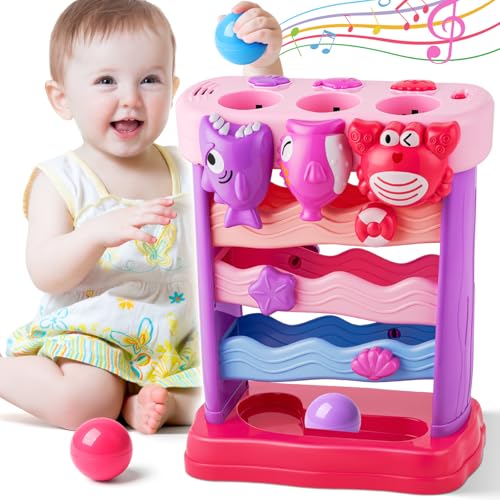
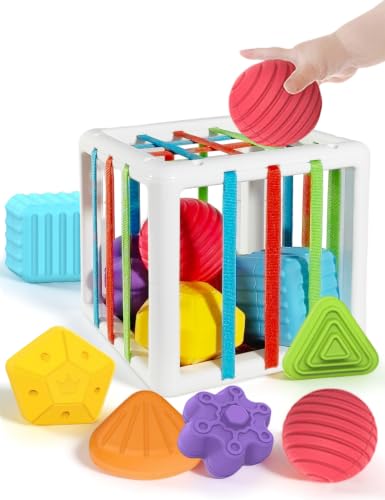
Activity cubes, pop-up toys, and busy boards are classic interactive toys for this age. They feature levers, dials, buttons, and switches that produce a delightful result — a light, a sound, or a moving part. These toys are excellent for teaching persistence and fine motor control.
When selecting an activity center, prioritize sturdy build quality and safe, rounded edges. Toys that offer multiple modes of play tend to hold a toddler's attention longer. For related ideas, see our guide to interactive play panels.
🚗 Interactive Vehicles & Movers
Push-along and pull-along toys with interactive elements — such as a toy train that plays music when pushed or a car with a clicking engine — combine gross motor activity with sensory feedback. These are particularly engaging for 2-year-olds who are becoming more mobile and confident.
Gross motor play is critical at this age. Our article on gross motor skills toys for 2-year-olds covers related options that encourage walking, pushing, and coordination.
🧸 Interactive Plush & Talking Toys
Soft, cuddly toys that respond to touch or voice are wonderful companions for toddlers. A plush bear that giggles when hugged or a doll that says simple phrases can provide comfort and encourage nurturing behavior. These toys bridge the gap between emotional security and interactive play.
For children who enjoy pretend play, an interactive plush can be a gateway to imaginative scenarios. Explore more interactive toys across categories to find the right fit.
📚 Electronic Learning Books & Tablets
Simple electronic books with buttons that read words aloud or play songs are a staple for this age. They introduce letters, numbers, and vocabulary in a playful format. For slightly older toddlers, basic learning tablets with interactive games offer more structured cognitive challenges.
When choosing electronic learning toys, favor models with clear audio, large buttons, and a focus on foundational skills. Our guide to the kids tablet comparison provides a detailed look at features that matter.
Quick Comparison: Interactive Toy Types by Age Suitability
| Toy Category | Best For | Key Developmental Focus | Typical Tier |
|---|---|---|---|
| Musical & Sound Toys | Ages 1–2 | Sensory exploration, rhythm, cause-and-effect | Essential tier |
| Activity Centers | Ages 1–2 | Fine motor skills, problem-solving | Starter tier |
| Interactive Vehicles | Ages 1.5–2 | Gross motor skills, coordination | Mid-tier |
| Interactive Plush | Ages 1–2 | Social-emotional learning, comfort | Balanced tier |
| Electronic Learning Books | Ages 2+ | Language, early literacy, cognitive skills | Top-tier |
What to Look For: A Practical Checklist
Before selecting an interactive toy for your 1- or 2-year-old, run through this checklist to ensure it meets safety, durability, and engagement standards.
- Safety first: Check for age-appropriate labeling, no small parts that could be choking hazards, and non-toxic materials.
- Volume control: Many interactive toys have adjustable volume — a valuable feature for parental sanity and hearing safety.
- Durable construction: Toddlers are tough on toys. Look for reinforced seams, solid build quality, and shatter-resistant materials.
- Battery compartment security: Ensure the battery compartment is secured with a screw to prevent access.
- Open-ended vs. directed play: A balance of both is ideal. Directed toys teach specific skills, while open-ended toys foster creativity.
- Ease of cleaning: Removable, washable covers or wipe-clean surfaces are a practical must.
Safety Considerations for Interactive Toys
The American Academy of Pediatrics and other child safety organizations emphasize that all toys for children under 3 should be free of small parts, sharp edges, and long cords. Interactive toys with electronic components require additional checks:
- Verify that the toy has passed relevant safety certifications for your region.
- Regularly inspect battery compartments for corrosion or loose screws.
- Supervise play with toys that have moving parts or lights, especially for children under 2.
- Avoid toys with excessively loud speakers; prolonged exposure to high-decibel sounds can be harmful.
For more detailed guidance, our highest-rated toys for 1-year-olds resource includes safety-tested selections and additional buying tips.
Integrating Interactive Toys into Daily Play
The best interactive toy is one that fits naturally into your child's daily routine. Consider these practical tips:
- Rotate toys: Keep a small selection accessible and rotate every week or two to maintain novelty and engagement.
- Co-play: Sit with your toddler and model how to use the toy. Narrate what you're doing to boost language development.
- Create a dedicated play zone: A small, safe area with a soft mat and low shelving encourages independent exploration.
- Follow your child's lead: If a toy isn't clicking, try again in a few weeks. Developmental readiness varies widely.
For more ideas on independent play, see our guide to independent play toys for 2-year-olds. Parents of older toddlers may also find value in interactive toys for 3-4-year-olds as a next step.
Frequently Asked Questions
What is the best interactive toy for a 1-year-old?
The "best" toy depends on your child's temperament and stage. For most 1-year-olds, a simple cause-and-effect activity center with lights, sounds, and tactile elements is a reliable choice. Look for models that are sturdy, have volume control, and are easy for small hands to operate.
How many interactive toys does a toddler need?
Quality over quantity is the guiding principle. A curated selection of 5–8 interactive toys, rotated regularly, is more than enough to keep a toddler engaged and learning. Too many toys can lead to overstimulation and scattered attention.
Are electronic interactive toys bad for toddlers?
Not inherently. The key is balance and moderation. Electronic toys should complement — not replace — open-ended, imaginative, and physical play. Choose toys with clear educational value and avoid those with excessive screen time or overwhelming sensory output.
What should I avoid when buying interactive toys for a 2-year-old?
Avoid toys with small detachable parts, sharp edges, excessively loud sounds, and fragile components. Also be cautious with toys that require apps or subscriptions — for this age group, simple, self-contained play is generally more appropriate and sustainable.
Ready to Find the Perfect Interactive Toy?
Explore our hand-picked selection below, featuring top-rated interactive toys for 1- and 2-year-olds. Each option has been chosen with developmental benefits, safety, and durability in mind.