Inflatable Pool Slide for Above Ground Pool: Your Complete Buying Guide
Transform your backyard pool into an exciting water park with the right inflatable slide. Learn about safety, setup, durability, and how to choose the perfect model for your family's summer adventures.
Explore Top PicksWhy Add an Inflatable Pool Slide to Your Above Ground Pool?
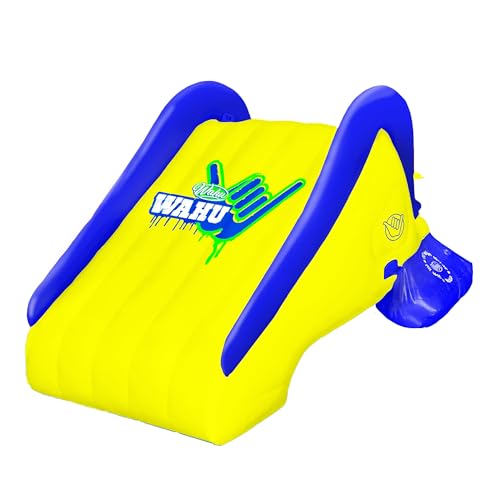
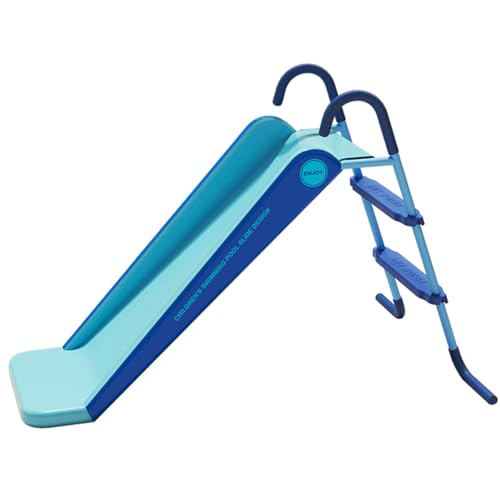
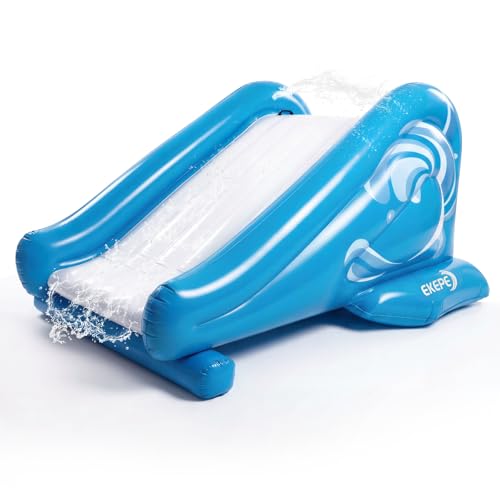
An inflatable pool slide is one of the most exciting upgrades you can make to your above ground pool setup. Unlike permanent fiberglass slides that require professional installation and significant structural modifications, inflatable slides offer a flexible, temporary, and often more accessible way to add thrill to pool time. They are particularly well-suited for families with young children who want to introduce water play in a controlled, supervised environment.
The appeal goes beyond just fun. A well-designed inflatable slide encourages physical activity, helps children build water confidence, and turns a standard pool into a destination that keeps kids engaged for hours. For adults, these slides provide a nostalgic rush that makes pool gatherings more memorable. Whether you are hosting a summer birthday party or simply looking for everyday entertainment, an inflatable pool slide delivers outsized enjoyment relative to its footprint.
However, not all inflatable slides are created equal. The market ranges from entry-level models with basic vinyl construction to premium-tier slides with reinforced seams, integrated water spray systems, and non-slip climbing surfaces. Understanding these differences is essential to making a smart purchase that matches your pool size, your family's needs, and your safety standards.
Key Factors to Consider Before Buying
1. Compatibility with Your Above Ground Pool
Above ground pools come in various heights and wall configurations, and not every inflatable slide is designed to work with them. Most inflatable pool slides are freestanding units placed beside the pool, with a slide chute that extends over the pool wall. You need to measure your pool's wall height and ensure the slide's chute is long enough to safely deliver the rider into the water. Slides designed specifically for above ground pools typically accommodate wall heights up to 48 inches, though some models extend to 54 inches.
It is also important to consider the pool's top rail and whether it can support the weight of a slide's anchoring system. Some inflatable slides use straps or weighted bases that rest on the pool deck or ground, while others are designed to be partially submerged. Always check the manufacturer's specifications for pool compatibility before making a decision.
2. Safety Features and Age Appropriateness
Safety should be the non-negotiable foundation of your decision. Look for slides with:
- Non-slip climbing steps or ladders that provide secure footing when wet.
- Reinforced side walls along the slide chute to prevent accidental falls.
- Sturdy anchoring systems such as ground stakes, weighted bases, or tie-down straps that keep the slide stable during use.
- Age and weight recommendations clearly stated by the manufacturer. Most inflatable slides are designed for children aged 3 and up, with weight limits typically ranging from 50 to 150 pounds per rider.
For families with toddlers, consider a slide with a shorter, gentler slope and a deeper splash zone. Older children and teens may prefer taller slides with steeper inclines and splash pools at the base. Always supervise young children during use, and never allow multiple riders on the slide simultaneously.
3. Material Durability and Construction Quality
The difference between a slide that lasts one season and one that serves your family for years often comes down to material and construction. Entry-level inflatable slides typically use single-layer PVC vinyl, which is lightweight and easy to inflate but may be prone to punctures and seam separation over time. Mid-range models often feature thicker, multi-layer PVC with reinforced seams and UV-resistant coatings that extend the slide's lifespan.
Top-tier and professional-grade slides may use commercial-grade PVC with double-stitched seams, puncture-resistant coatings, and heavy-duty valves. These slides are designed to withstand frequent use and prolonged sun exposure. When evaluating durability, look for details like reinforced stress points at the base of the climbing ladder, heat-welded seams rather than glued seams, and included repair patches for minor damage.
4. Inflation and Deflation Convenience
Consider how the slide will be inflated and stored. Most inflatable pool slides come with a manual hand pump, but for larger models, an electric pump (often sold separately) can save significant time and effort. Look for slides with wide, easy-access valves that speed up inflation and deflation. Some premium models include multiple air chambers, which not only make inflation easier but also provide redundancy—if one chamber is punctured, the slide maintains partial buoyancy and stability.
Storage size is another practical consideration. Deflated slides can be bulky, so check the folded dimensions to ensure you have adequate space in your garage or shed. Models with included carry bags make transport and storage more convenient.
5. Water Spray Systems and Added Features
Many inflatable pool slides include built-in water spray systems that keep the slide surface slick and add a fun visual element. These systems typically connect to a standard garden hose and feature nozzles positioned along the slide chute and climbing steps. While this is a desirable feature, it does add to the setup complexity and water usage. Some models offer adjustable spray intensity, which is useful for younger children who may prefer a gentler spray.
Other features to consider include built-in splash pools at the base of the slide, inflatable landing pads for softer entries, and sun canopies or shade structures for extended play. Assess which features align with your family's preferences and your pool's layout.
Understanding Product Tiers: Which Level Is Right for You?
To help you navigate the market, we have categorized inflatable pool slides into three broad tiers based on their construction, features, and intended use. This classification is relative and not tied to specific figures.
| Tier | Best For | Key Characteristics | Considerations |
|---|---|---|---|
| Entry-Level / Essential Tier | Occasional use, younger children, first-time buyers | Single-layer PVC vinyl, basic seam construction, manual inflation, shorter slide chute, minimal accessories | Good value for its tier; may require careful handling to avoid punctures; best suited for gentle use |
| Mid-Range / Balanced Tier | Regular family use, children of varying ages | Thicker multi-layer PVC, reinforced seams, UV-resistant coating, wider slide chute, integrated water spray system, anchor straps | Solid choice for the tier; offers a good balance of durability and features; typically includes repair kit |
| Top-Tier / High-End Tier | Frequent use, larger families, pool parties | Commercial-grade PVC, double-stitched and heat-welded seams, puncture-resistant coating, multiple air chambers, adjustable spray system, large splash pool, heavy-duty anchoring | Long-term investment; designed to withstand rigorous use; heavier and bulkier when deflated |
Editorial Note: For most families with above ground pools, a mid-range inflatable slide offers the best balance of safety, durability, and features. Entry-level models are a reasonable starting point for those testing the waters, while top-tier slides are worthwhile investments for households that plan to use the slide frequently over multiple seasons.
Safety Guidelines and Proper Setup
Proper setup is critical to ensuring your inflatable pool slide is safe and stable. Follow these guidelines to minimize risks:
- Choose a level surface: Place the slide on flat, firm ground beside the pool. Avoid uneven surfaces that could cause tipping.
- Secure the anchors: Use all provided ground stakes or weighted bases. If your slide uses straps, ensure they are tightly secured to a stable anchor point.
- Maintain proper water depth: The slide chute should deliver riders into water that is deep enough to prevent impact injuries. For above ground pools, ensure the water level is at least 36 inches deep at the slide's exit point.
- Check inflation levels: Inflate the slide fully according to the manufacturer's instructions. Under-inflation can cause instability, while over-inflation can stress seams.
- Establish rules: Allow only one rider at a time, feet-first sliding, and no jumping from the top of the slide. Supervise children at all times.
- Inspect regularly: Before each use, check for punctures, loose seams, or worn anchoring points. Repair any damage immediately using the provided repair kit.
For more outdoor water play inspiration, explore our guides on inflatable water slides with detachable pools and fun pool toys for older children.
Maintenance Tips to Extend the Life of Your Inflatable Slide
With proper care, a quality inflatable pool slide can provide several seasons of enjoyment. Follow these maintenance practices:
- Clean after each use: Rinse the slide with fresh water to remove pool chemicals, sunscreen residue, and debris. Avoid harsh cleaning agents that can degrade the vinyl.
- Dry thoroughly before storage: Mold and mildew can develop if the slide is stored damp. Inflate the slide in a shaded area and allow it to air dry completely before folding.
- Store in a cool, dry place: Prolonged exposure to direct sunlight can weaken the vinyl and cause fading. Store the deflated slide in a covered area or use a UV-resistant cover.
- Use repair patches promptly: Small punctures can become larger tears if left unaddressed. Keep the included repair kit handy and follow the manufacturer's instructions for patching.
- Avoid sharp objects: Keep the slide away from rough surfaces, tree branches, and pool equipment that could cause abrasions.
Frequently Asked Questions
Can I use an inflatable pool slide with any above ground pool?
Most inflatable slides are designed to work with above ground pools up to a certain wall height, typically 48 to 54 inches. Always check the manufacturer's specifications for compatibility, and ensure the slide's chute extends safely over the pool wall and into the water.
How do I anchor an inflatable pool slide?
Anchoring methods vary by model. Common approaches include ground stakes driven into the lawn, weighted bags or sandbags placed at the base, and straps secured to the pool frame or a stable post. Follow the manufacturer's instructions and use all provided anchoring hardware.
What is the weight limit for inflatable pool slides?
Weight limits vary widely, but most inflatable slides for home use support between 50 and 150 pounds per rider. Check the product specifications for the exact limit, and never exceed it. Some slides designed for adults and older children may support higher weights.
How long does it take to inflate an inflatable pool slide?
Inflation time depends on the size of the slide and the type of pump used. With a manual hand pump, a mid-range slide may take 15 to 30 minutes to inflate. An electric pump can reduce this to 5 to 10 minutes. Multiple air chambers can simplify the process.
Can I leave my inflatable pool slide inflated all summer?
While some top-tier slides are designed for extended outdoor use, prolonged exposure to sun and weather can degrade the material. It is best to deflate and store the slide when not in use, or at least cover it with a UV-resistant tarp during periods of inactivity.
Are inflatable pool slides safe for toddlers?
Some inflatable slides are designed specifically for younger children with shorter, gentler slopes and smaller overall dimensions. Always check the age recommendation on the product. Toddlers should be supervised closely and may need assistance climbing and sliding.
Final Thoughts: Making the Right Choice
An inflatable pool slide is a wonderful addition to any above ground pool, offering a blend of excitement, physical activity, and family bonding. By understanding the key factors—pool compatibility, safety features, material quality, and tier classification—you can make an informed decision that aligns with your family's needs and expectations.
For those seeking a starting point, entry-level slides provide accessible fun for younger children and occasional use. Mid-range models offer a balanced mix of durability and features for regular family enjoyment. And for families who prioritize long-term performance and frequent use, top-tier slides represent a worthwhile investment in backyard entertainment.
Remember to prioritize safety at every stage, from setup to supervision, and maintain your slide properly to ensure it remains a source of joy for seasons to come. For more ideas on enhancing your outdoor play space, explore our guides on outdoor toys for six-year-olds and outdoor playsets.