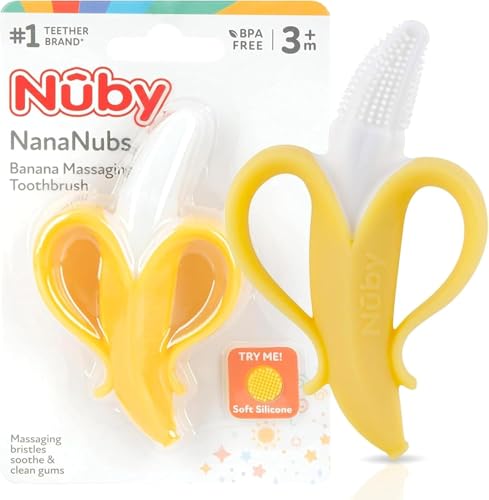
Safe & Soothing: The Ultimate Guide to Infant Teething Toys
Teething can be tough on little ones — and their parents. Choosing the right teething toy is about more than just relief; it's about safety, development, and peace of mind. This guide helps you navigate the world of teethers with confidence.
↓ Explore Top Teething Toys🤝 Why trust this guide? We've researched the safest materials, consulted pediatric dental guidelines, and analyzed hundreds of parent reviews. Whether you're looking for a silicone teether, a natural wooden ring, or a cooling gel teether, our recommendations are based on safety, durability, and effectiveness. We're here to help you make a confident choice for your baby's comfort.
📜 Types of Infant Teething Toys
🔮 Silicone Teethers
Soft, flexible, and easy to clean. Food-grade silicone is durable, non-porous, and gentle on sore gums. Many feature textured surfaces for added relief.
🌳 Wooden Teething Rings
Natural, eco-friendly, and naturally antibacterial. Look for smooth, untreated hardwoods like beech or maple. They offer firm resistance for gnawing.
❄️ Cooling Gel Teethers
Filled with safe, non-toxic gel that cools in the fridge (not freezer). The cold temperature helps numb and soothe inflamed gums effectively.
🤝 Fabric & Multi-texture
Combines different materials like cloth, silicone, and rubber. Often attach to pacifier clips. Great for babies who prefer varied tactile stimulation.
⚡ Safety First: What to Look For
✅ Material Safety
- • BPA-free, phthalate-free, and lead-free.
- • Food-grade silicone or natural wood.
- • No small parts that could break off.
🎯 Design & Size
- • Large enough to prevent choking.
- • Easy for tiny hands to grip.
- • No sharp edges or rough seams.
💡 Pro Tip: Always supervise your baby during teething. Check toys regularly for wear and tear, and replace them if they show signs of damage. Clean teething toys with warm, soapy water or as per manufacturer's instructions.
🏆 Beyond Relief: Developmental Benefits
The right teething toy does more than soothe sore gums. It also supports fine motor skills as your baby learns to grasp and manipulate the toy. The different textures and shapes stimulate sensory exploration, while the act of chewing helps strengthen jaw muscles. Plus, teething time can be a wonderful opportunity for bonding — many parents find that offering a teether during cuddle time creates a calming routine.
💭 Practical Tips for Teething Relief
- 💡 Chill, Don't Freeze: Cold is soothing, but freezing can make teethers too hard and damage gums. Refrigerate for 30–60 minutes instead.
- 💡 Rotate Options: Offer a variety of textures and materials. Some babies prefer silicone, others wood or fabric.
- 💡 Cleanliness is Key: Wash teethers after each use, especially when they've been dropped or taken outdoors.
- 💡 Pair with a Bib: Teething means drool! A soft bib can keep your baby's skin dry and prevent rashes.
- 💡 Consult Your Pediatrician: If your baby is extremely fussy or has a fever, always check with your doctor.
❓ Frequently Asked Questions
When do babies start teething?
Most babies begin teething around 4 to 7 months, though it can vary widely. Some may start as early as 3 months or as late as 12 months.
Are silicone teethers better than wooden ones?
Both are excellent. Silicone is soft, flexible, and easy to clean — great for babies who prefer a chewy texture. Wooden teethers are firm, eco-friendly, and naturally antimicrobial. It often comes down to your baby's preference.
Can teething toys be too hard?
Yes. Teethers that are too hard can hurt your baby's gums or even damage emerging teeth. Always choose toys that have a slight give when squeezed. Avoid teethers that are frozen solid.
How do I clean teething toys properly?
Most silicone and plastic teethers can be washed with warm, soapy water. Wooden teethers should be wiped with a damp cloth and allowed to air dry. Always check the manufacturer's instructions.
Ready to Soothe Your Baby's Gums?
We've curated a selection of the safest, most effective teething toys based on expert recommendations and parent reviews. Each product is designed with your baby's comfort and safety in mind.
View Top-Rated Teething Toys ↓Related Guides: Toys for 1-Year-Olds • Toys for 2-Year-Olds • Newborn Sensory Toys • Rattles for Newborns • Sensory Squeeze Toys