Great Learning Toys for 1 Year Olds: A Complete Guide
Your one-year-old is a curious explorer, and the right toys can turn everyday play into powerful brain-building activity. This expert guide breaks down which learning toys truly matter at this stage, how to evaluate them, and which options stand out for motor skills, sensory development, and early problem-solving.
Explore Top PicksQuick Takeaways for Busy Parents
- Focus on cause-and-effect: At 12–24 months, toys that respond to your child's actions (press, pull, stack, drop) teach the most.
- Motor skills come first: Stacking, sorting, and push-along toys build grip strength and hand-eye coordination.
- Sensory play is learning: Textures, sounds, and contrasts are how one-year-olds process the world.
- Safety is non-negotiable: Look for no small parts, non-toxic finishes, and age-appropriate labeling.
- Fewer, better toys win: A small rotation of high-quality developmental toys beats a mountain of random items.
Why Learning Toys Matter at Age One
The first two years are the most rapid period of brain development in a child's life. By age one, a toddler is transitioning from passive observation to active experimentation — pushing, stacking, dropping, and repeating actions to understand how the world works. This is exactly why the toys you choose at this stage carry so much developmental weight. A well-chosen learning toy doesn't just entertain; it gives your child a structured way to practice new physical and cognitive skills.
Pediatric occupational therapists and early childhood educators consistently highlight three developmental pillars for one-year-olds: fine and gross motor control, sensory processing, and early problem-solving. The best learning toys for 1-year-olds intentionally target one or more of these pillars. Stacking rings build grip and size discrimination. Shape sorters teach trial-and-error reasoning. Push-and-pull toys encourage cruising and walking. Musical toys connect sound with action. Each category supports a distinct developmental pathway.
What to Look For in a Learning Toy for a One-Year-Old
Not every colorful plastic item on a shelf qualifies as a "learning toy." Real developmental value comes from intentional design. When evaluating options, look for these characteristics:
- Open-ended play potential: A toy your child can use in multiple ways grows with them.
- Clear cause-and-effect feedback: Buttons that light up, levers that click, and lids that pop teach agency.
- Age-appropriate challenge: Slightly difficult is good; frustrating is not.
- Durable, safe construction: One-year-olds chew, throw, and bang toys — they need to survive it.
- No small removable parts: Choking hazard prevention is essential at this age.
For broader ideas on gifting at this exact age, our gifts for 1-year-old guide covers toys and non-toy ideas alike. If you're comparing learning-focused options specifically, the great gifts for 1-year-olds roundup is a useful companion read.
The Best Learning Toy Categories for 1-Year-Olds
| Category | Best For | Developmental Focus |
|---|---|---|
| Stacking & Nesting Toys | Fine motor control, size sequencing | Hand-eye coordination, spatial reasoning |
| Shape Sorters | Problem-solving, shape recognition | Cognitive flexibility, trial-and-error learning |
| Push & Pull Toys | Cruising and early walking | Gross motor development, balance |
| Sensory & Texture Toys | Tactile exploration | Sensory integration, calming play |
| Musical & Sound Toys | Auditory engagement | Cause-and-effect, rhythm awareness |
| Simple Building Blocks | Creative construction | Grip strength, imagination, balance |
Each category serves a distinct purpose, and a balanced toy collection for a one-year-old typically includes at least one option from three or four of these groups. The classification above is deliberately tier-neutral — what matters is matching the toy to your child's current skill level, not the market positioning of the brand.
Stacking and Nesting Toys: The Foundation of Fine Motor Skills
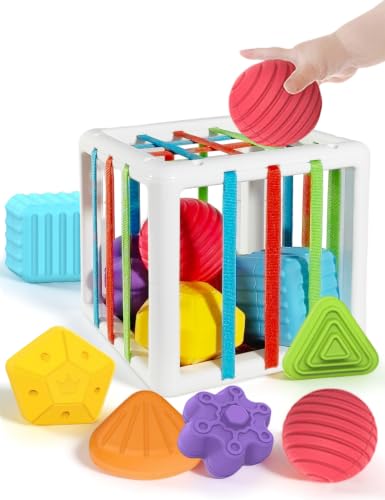
Stacking cups and nesting rings are among the most effective first learning toys because they combine multiple developmental tasks in one simple activity. Your child must grip the object, judge its size relative to others, and place it with enough precision to balance. This is deceptively complex work for a one-year-old brain. Look for sets with varied textures and contrasting colors to layer in sensory input. Avoid sets with thin, breakable plastic — one-year-olds are not gentle.
Shape Sorters: Early Problem-Solving in Action
Shape sorters teach the fundamental cognitive skill of matching an object to a corresponding opening. This is a precursor to letter recognition and early math. At the entry-level, a simple two-shape sorter is enough; as your child gains confidence, move toward mid-range sorters with four to six shapes and color-coded cues. Higher-end sorters add sound feedback or multi-step puzzles, but the simple wooden classics remain some of the most durable and effective choices.
Push and Pull Toys: Building Gross Motor Confidence
Around 12–15 months, many toddlers begin cruising and taking first steps. A sturdy push toy — like a weighted walker with a handle — gives them the confidence to practice balance without relying entirely on furniture. Pull toys, which trail behind a walking child, are excellent for encouraging longer strides. Prioritize solid build quality and rubberized wheels; entry-level plastic models tend to tip, while premium wooden walkers are heavier and more stable.
Sensory and Texture Toys: How One-Year-Olds Learn Through Touch
Babies and toddlers are tactile learners. Fabric books, textured balls, and soft blocks with crinkle layers give them varied sensory feedback that supports neural development. These toys are particularly valuable for calming play and for children who are easily overstimulated by noise or visual clutter. If you want to expand beyond toys entirely, there are many gifts for one-year-olds that aren't toys which support sensory exploration too.
Musical Toys: Cause-and-Effect Learning Through Sound
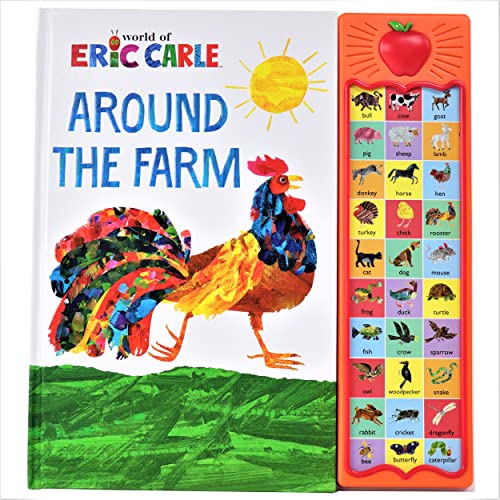
A simple drum, a xylophone with rounded mallets, or a toy that plays a note when a button is pressed — these all teach the same core lesson: my action produces a result. This cause-and-effect understanding is a critical cognitive milestone. Mid-range musical toys often add volume control and multiple instrument sounds; top-tier options may include melody-following modes, but for a one-year-old, simplicity is usually more effective.
Building Blocks: The Original Open-Ended Toy
Large, soft-edged blocks are ideal for one-year-olds. They can be stacked, knocked down, carried, and sorted — four separate skills in one toy. Wooden blocks with rounded corners are the classic choice and remain a long-term investment since they stay relevant through age four or five. Avoid small block sets with pieces under the standard choke-test size.
Safety Checklist for One-Year-Old Toys
- No parts small enough to fit through a toilet-paper roll (choking hazard test).
- Non-toxic, water-based paints and finishes — especially for wooden toys.
- No loose strings, ribbons, or cords longer than 7 inches.
- Rounded edges and no sharp points.
- Battery compartments secured with a screw, not a snap latch.
- Age labeling explicitly states "12 months+" or "1 year+".
- No small magnets — a serious ingestion hazard.
How Many Learning Toys Does a One-Year-Old Actually Need?
Fewer than most parents expect. Early childhood researchers and Montessori educators generally recommend keeping 8–12 toys accessible at any given time, with the rest stored away and rotated every few weeks. This "toy rotation" approach has two clear benefits: it keeps novelty high (so each toy gets deep engagement rather than a quick glance), and it prevents the overstimulation that comes from too many choices. A one-year-old with five well-chosen developmental toys will typically learn more than a one-year-old with fifty random items.
When building your collection, aim for a mix: one stacking or nesting toy, one shape sorter, one push or pull toy, one sensory item, one musical toy, and one set of blocks. That's six categories — a complete developmental toolkit without excess.
Final Buying Advice
The best learning toys for one-year-olds are the ones your child will actually use repeatedly. Rather than chasing features, prioritize durability, safety, and developmental fit. A wooden stacking tower that survives three years of play will teach more than a battery-powered gadget that breaks in three weeks. If you're shopping for a birthday or holiday, our great gifts for 1-year-olds guide offers additional curated picks, and if you're comparing toys with non-toy options, the non-toy gift guide is a helpful complement.
Finally, remember that you are the most important learning toy. Sitting on the floor, naming objects, demonstrating stacking, and celebrating small wins all multiply the value of whatever toy you place in your child's hands.