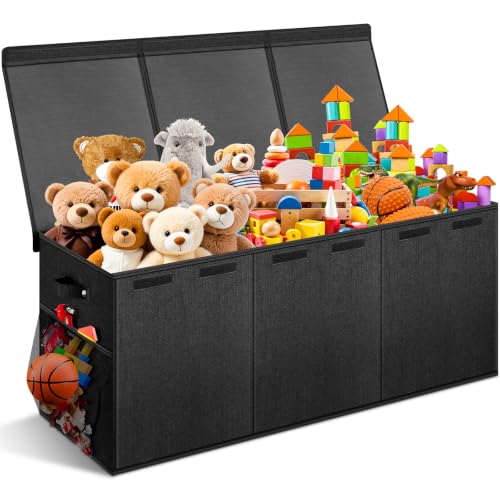
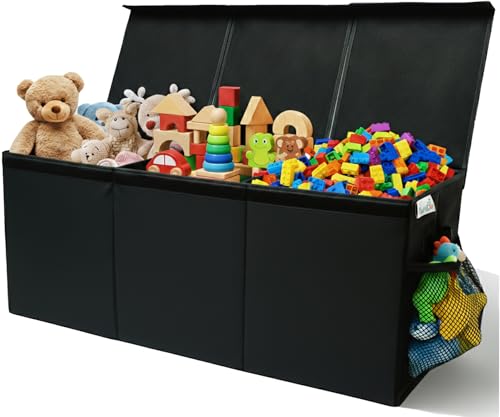
A Toy Box: The Ultimate Guide to Choosing the Perfect Storage & Play Solution
Discover how a well-chosen toy box can transform your playroom, keep clutter at bay, and become a cherished piece of your child's furniture. Our expert guide covers everything you need to know before making a purchase.
Explore the Buying GuideWhy a Toy Box Is More Than Just Storage
A toy box is a cornerstone of any child's play space. It's not merely a container for toys; it's a tool for teaching organization, a piece of furniture that can enhance a room's decor, and a safe haven for a child's most treasured possessions. Whether you're looking to tame a chaotic playroom or find a stylish addition to a nursery, understanding the nuances of toy box design is essential. This guide will walk you through the key features, materials, and safety considerations to help you find the perfect match for your family.
For parents beginning their journey into toy organization, our comprehensive toy organization hub offers a wealth of strategies. And if you're specifically interested in how storage fits into a broader system, consider exploring a toy rotation system to keep the collection manageable and engaging.
Key Features to Look For in a Toy Box
Safety First
Look for lid supports that prevent slamming, non-toxic finishes, and rounded edges. Safety is non-negotiable, especially for younger children. Our toy safety guide provides a deeper dive into what to check.
Durable Construction
Solid wood or high-grade plastic ensures longevity. Reinforced corners and sturdy hinges are signs of quality that will withstand years of use.
Size & Capacity
Measure your space and consider your child's toy collection. A box that's too small will overflow quickly, while one that's too large can be overwhelming. Choose a size that fits the room and the child's age.
Design & Aesthetics
From classic wooden chests to colorful character-themed boxes, the design should complement your home and appeal to your child. Neutral tones offer versatility, while bright colors can spark joy.
Ease of Use
Children should be able to open and close the box safely. Consider lightweight lids or easy-to-grip handles. For toddlers, a lid with a slow-close hinge is ideal.
Portability
If you plan to move the box between rooms, look for models with wheels or lightweight materials. Stationary boxes are fine for a dedicated playroom.
Wooden vs. Plastic Toy Boxes: A Comparison
Choosing between wood and plastic is a common dilemma. Both have distinct advantages. The table below outlines the key differences to help you decide. For a deeper exploration of materials, our guides on wooden toys and plastic toys are excellent resources.
| Feature | Wooden Toy Box | Plastic Toy Box |
|---|---|---|
| Durability | Excellent; long-lasting, can be repaired | Good; may crack or fade over time |
| Aesthetics | Timeless, warm, blends with home decor | Available in bright colors and characters |
| Weight | Heavier; less portable | Lightweight; easy to move |
| Maintenance | Requires occasional dusting; can be refinished | Easy to wipe clean |
| Safety | Look for non-toxic paints and lid supports | Check for sturdy construction and non-toxic plastics |
| Best For | Long-term use, nursery/playroom decor | Active play, easy cleaning, outdoor use |
Essential Safety Considerations
Safety is paramount when choosing a toy box. Here are the critical points to verify before purchase:
- Lid Supports: A lid that slams shut can cause serious injury. Ensure the box has a slow-closing mechanism or a lid that stays open in any position.
- Ventilation: If the box has a lid, ensure there are ventilation holes to prevent suffocation hazards, especially for younger children.
- Non-Toxic Materials: Check for finishes and paints that are free from lead and other harmful chemicals. Our non-toxic toy guide offers detailed information.
- Sturdy Construction: Avoid boxes with sharp edges or flimsy hinges. The box should be stable and not tip over easily.
- Age Appropriateness: For infants and toddlers, consider a lidless bin or a box with a very lightweight lid. Always supervise play.
For a comprehensive overview of safety standards, refer to our toy safety guide and learn about choking hazard prevention.
Maximizing Your Toy Box: Organization Tips
A toy box is only as good as how you use it. Here are some practical tips to keep the playroom tidy and functional:
- Use Dividers: Smaller bins or dividers inside the box can help categorize toys (e.g., blocks, dolls, cars).
- Implement a Rotation System: Keep only a subset of toys accessible and rotate them periodically. This reduces clutter and keeps toys feeling new. See our toy rotation system guide.
- Label Everything: Use pictures or words to label sections, making it easy for children to clean up independently. Our labeling toy storage article has great ideas.
- Involve Your Child: Teach your child to put toys away after play. Make it a game and praise their efforts.
- Regular Decluttering: Periodically sort through toys and donate or store those that are outgrown. Our declutter kids toys guide can help.
Your Toy Box Buying Checklist
Before you make a purchase, run through this quick checklist to ensure you're making a well-informed decision:
✅ Safety: Lid supports, non-toxic finish, rounded edges, ventilation (if lidded).
✅ Size: Fits your space and holds the current toy collection with room to grow.
✅ Material: Wood for durability and aesthetics; plastic for lightweight and easy cleaning.
✅ Design: Complements your home and appeals to your child.
✅ Usability: Easy for your child to open, close, and access toys.
✅ Organization: Consider adding dividers or bins for better categorization.
For more detailed guidance on selecting age-appropriate toys and storage, explore our age-appropriate toys section. If you're setting up a full playroom, our playroom organization guide is a must-read.